Vemira
Volkswagen Polo Through the Years: From Piggy Bank to Stylish Small Car
Volkswagen Polo has been with us for nearly five decades – and it just keeps evolving. From student car, to commuter vehicle, to first company car, to small family car. It’s played many roles – but it’s always been reliable and surprisingly complete.
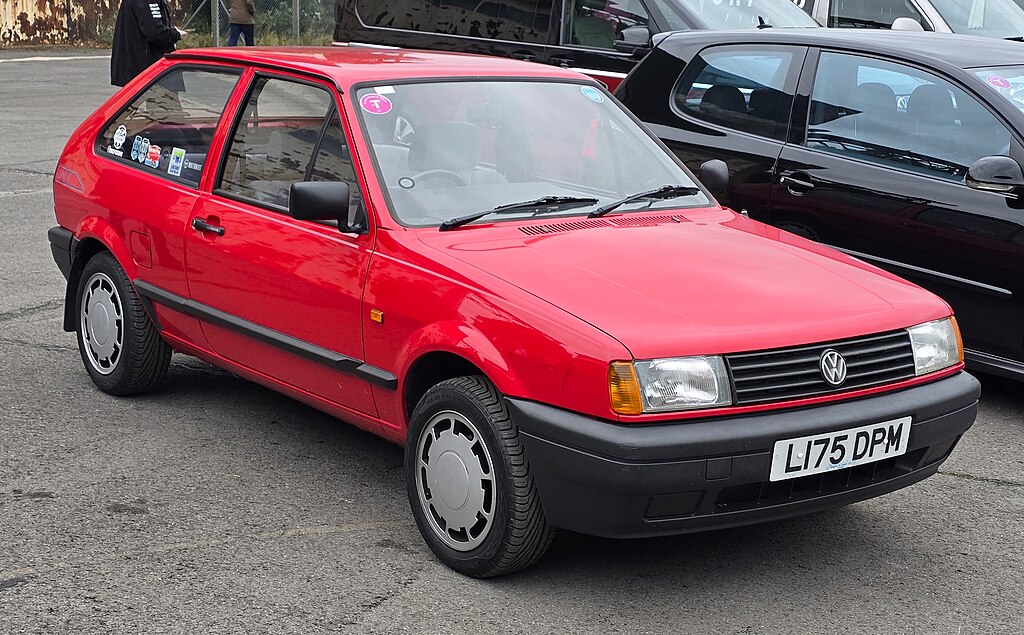 MrWalkr, CC BY-SA 4.0 via Wikimedia Commons
When you say “Polo,” most people think of a small, solid and typically German loyalty on four wheels. But the Volkswagen Polo is much more than just “Golf’s little brother.” For nearly 50 years, the Polo has evolved from a bare-bones economy car to a smart little car with both attitude and ambition. Here’s the full story – decade by decade.
1975: A Humble Beginning
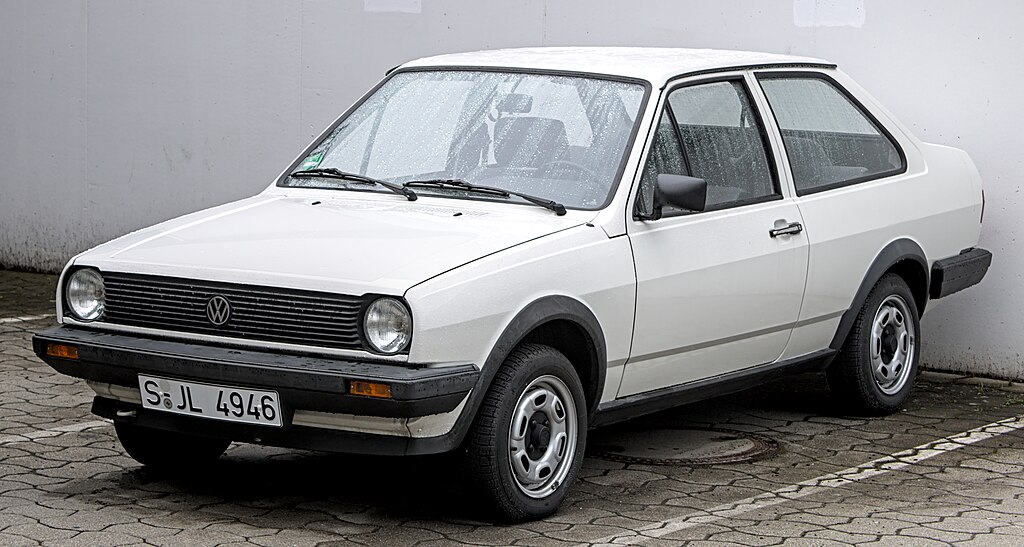 Alexander Migl, CC BY-SA 4.0 via Wikimedia Commons
The first Polo rolled out in 1975 as a more budget-friendly version of the Audi 50 – and it showed. It was simple, boxy and ultra-light (under 800 kg), but economical and easy to keep running. With its small petrol engine, it wasn’t fast, but it was solid – and it hit the spirit of the times perfectly, in a Europe affected by the oil crisis and in need of affordable mobility.
![]()
Read also:
1980s: Polo Grows Up (Almost)
 Vauxford, CC BY-SA 4.0 via Wikimedia Commons
The second generation arrived in 1981 and was immediately nicknamed the “breadvan” in the UK – thanks to its boxy rear end. The design was practical, not pretty. But Polo got new engines, improved suspension, and proved that even small cars could remain dependable into old age.
Notably, the G40 version with supercharger was a little wild thing – a kind of proto-GTI in miniature form.
1990s: Rounder and More Comfortable
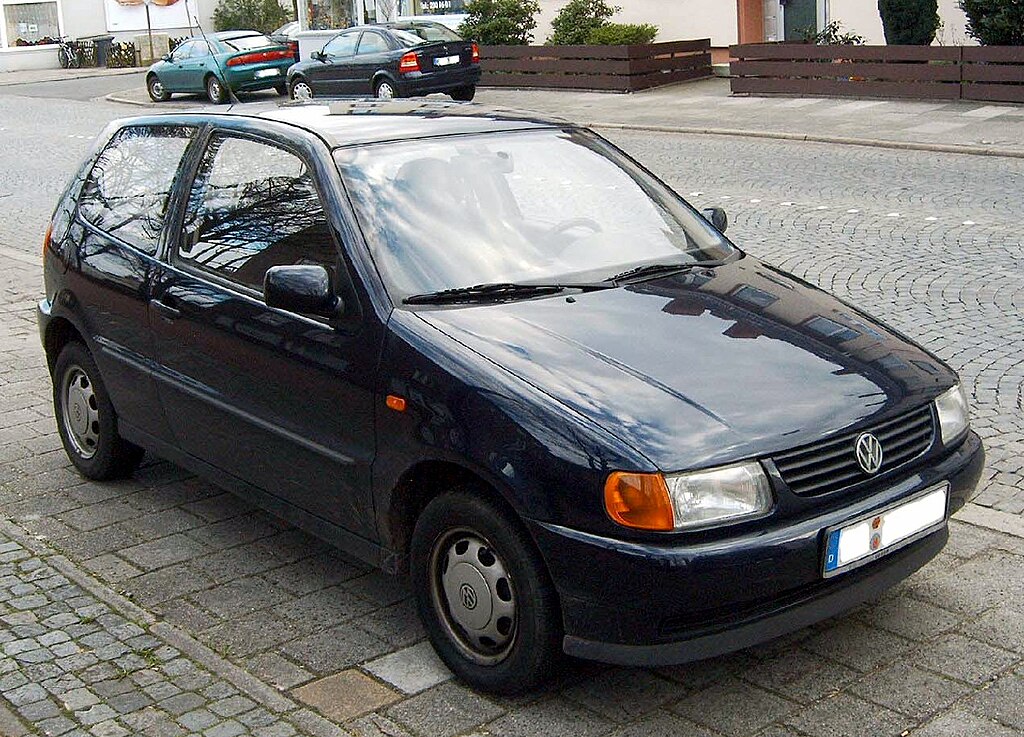 Rami Tarawneh, CC BY-SA 2.5 via Wikimedia Commons
In 1994 came the third generation – and now the Polo started to look like something you’d actually want to be seen in. Rounder shapes, better cabin materials, and more safety made it a serious option for first-time buyers and city dwellers.
The GTI version was introduced at the end of the decade and gave the Polo a dose of youthful energy – complete with checkered seat upholstery and a sport steering wheel.
2000s: Polo Gains Ambitions
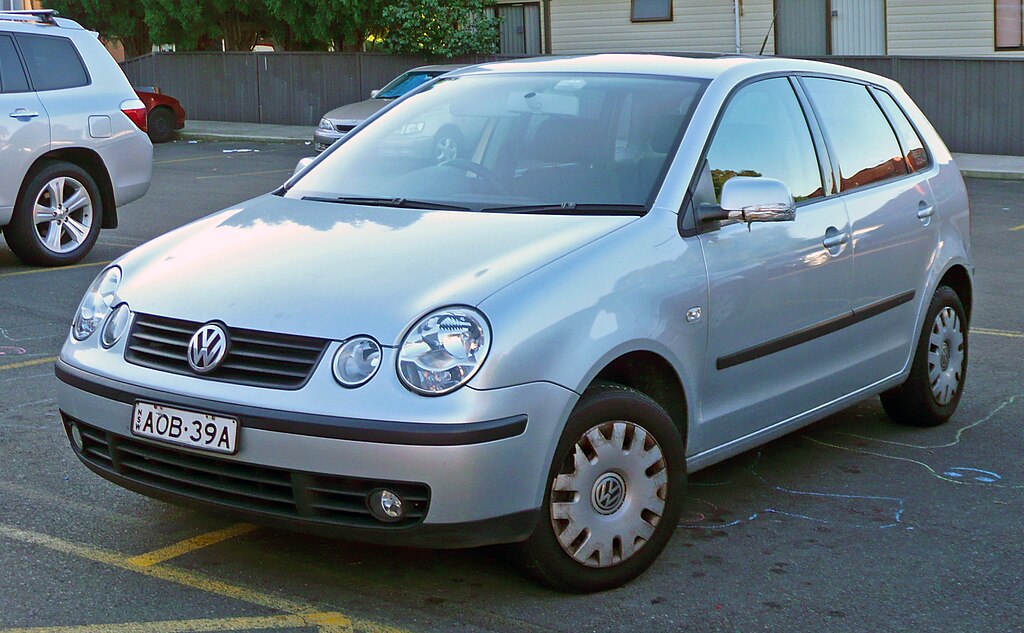 OSX, Public domain, via Wikimedia Commons
The fourth generation landed in 2002 – with more elegance and improved materials. The design was inspired by the larger Passat, and for the first time, Polo felt almost like a “mini-premium” car. Technologies like ESP and automatic gearboxes began to creep in.
In 2009 came the fifth generation – sharper, more streamlined, and crowned “European Car of the Year 2010.” The Polo was no longer just a small car. It was a good car, period.
2010s: Sport, Safety and Style
 OSX, Public domain, via Wikimedia Commons
The GTI grew up and got a turbo instead of a supercharger, while Bluemotion models focused on fuel efficiency. The Polo could now be equipped with a whole range of driver-assistance systems and infotainment – and it started appealing to both younger and older drivers.
Volkswagen clearly had one goal: The Polo should be just as refined as a Golf – only smaller.
2020s: Digital and Modern – Without Forgetting Its Roots
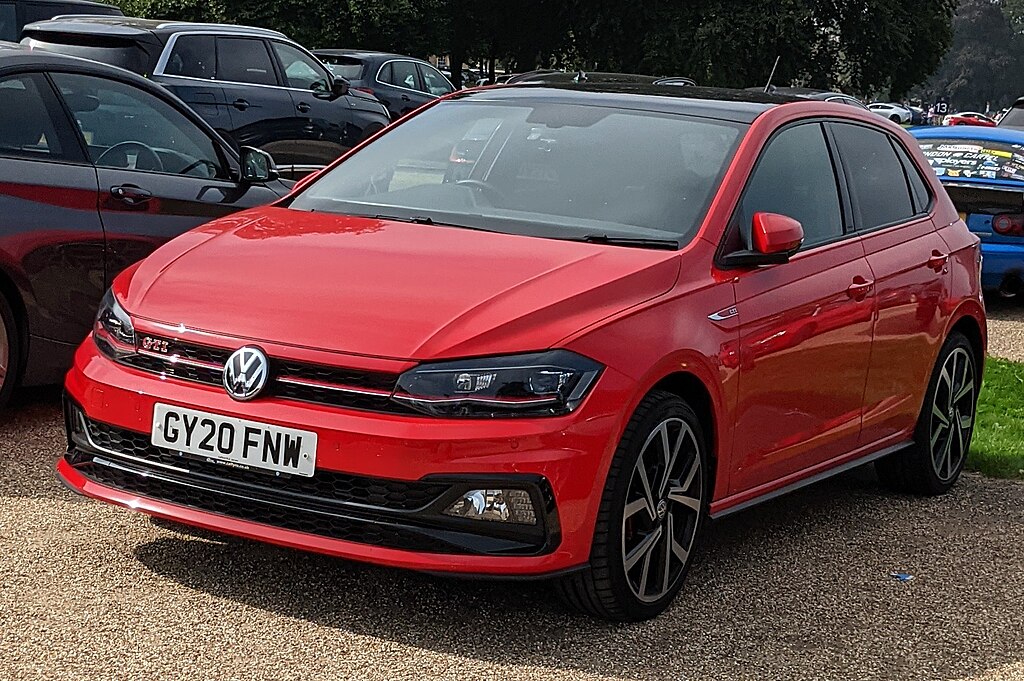 Calreyn88, CC BY-SA 4.0 via Wikimedia Commons
The latest generation (facelifted in 2021) is sharper than ever in terms of technology. With a digital cockpit, LED lighting, adaptive cruise control and the full digital buffet, it almost feels like a mini-Golf – and that’s no coincidence.
Most importantly, the Polo still offers what has always made it so beloved – solid German quality, compact dimensions, and an interior where everything simply works.
Our team may have used AI to assist in the creation of this content, which has been reviewed by our editors.
![]()
Read also: