 Vitaly V. Kuzmin, CC BY-SA 4.0 https://creativecommons.org/licenses/by-sa/4.0, via Wikimedia Commons
In the past two decades, Russia has undertaken significant upgrades to its military arsenal, focusing on advanced technology and new weapon systems to ensure its military dominance. From the newest and most technologically advanced tanks like the T-14 Armata to formidable hypersonic missiles such as Zircon and Kinzhal, Russia has heavily invested in modernizing its war machine.
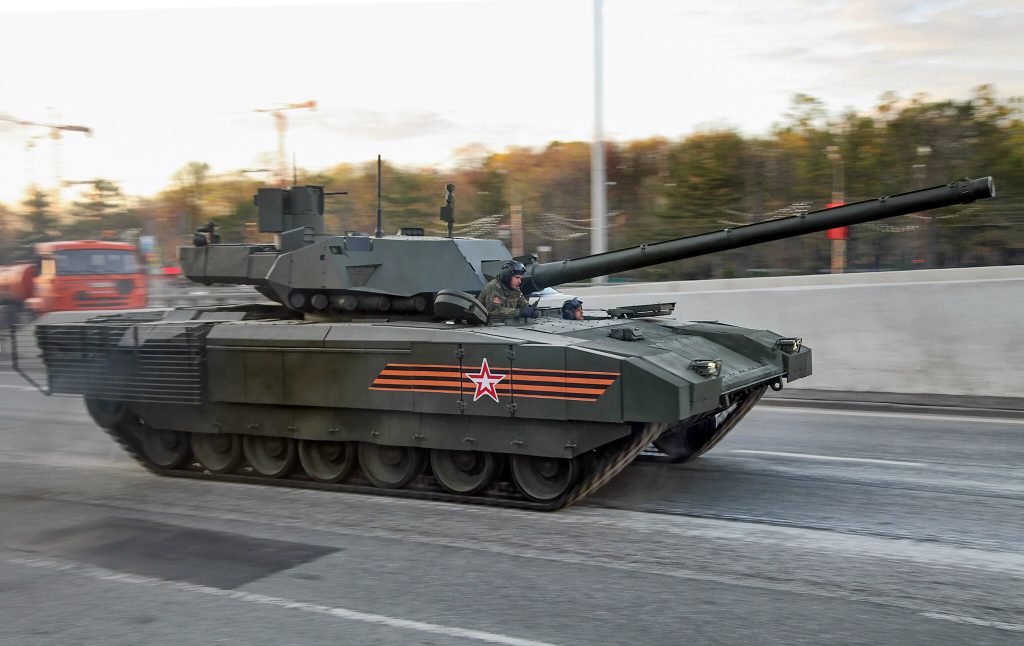
1. T-14 Armata
 Vitaly V. Kuzmin, CC BY-SA 4.0 https://creativecommons.org/licenses/by-sa/4.0, via Wikimedia Commons
Introduction: 2015
The T-14 Armata is one of the most advanced tanks in the world, featuring an unmanned turret and manned crew cabin, offering better protection and mobility. It is equipped with a 125 mm cannon and advanced electronics, including radar and an active protection system that can detect and counter threats like missiles and rockets.
![]()
Read also:
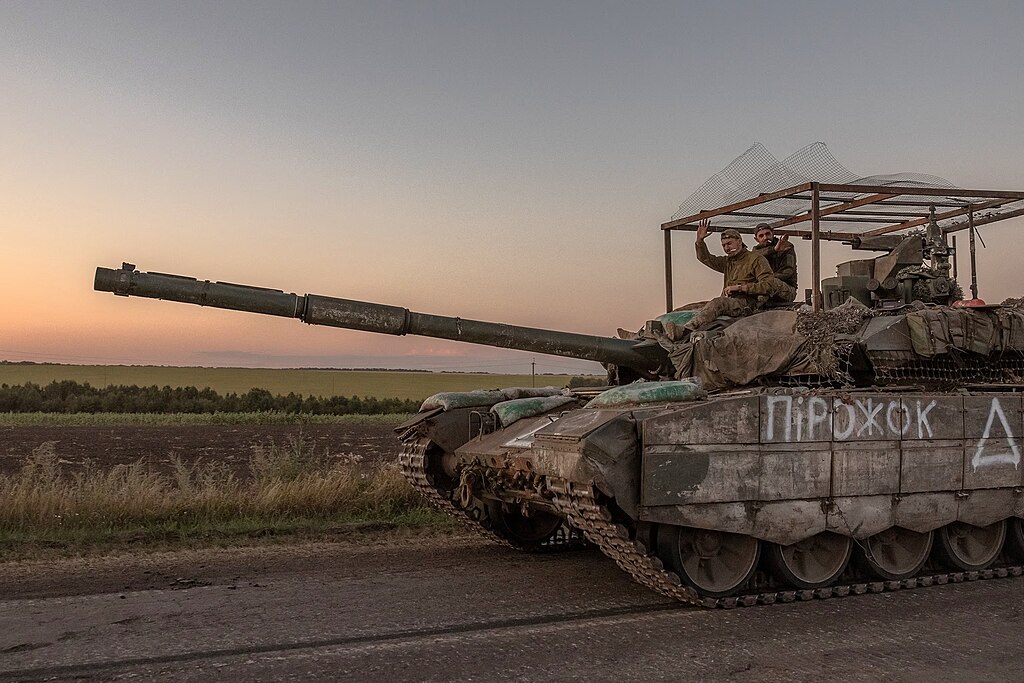
2. T-90M Proryv
 Mil.gov.ua, CC BY 4.0 https://creativecommons.org/licenses/by/4.0, via Wikimedia Commons
The T-90M is an upgraded version of the previous T-90, designed with modern protection technology and enhanced electronic systems. It features an improved 125 mm cannon and an active protection system, enhancing its battlefield survivability. Upgrades also include digital communication systems and advanced targeting.
3. T-90A
 © Vyacheslav Argenberg / http://www.vascoplanet.com/, CC BY 4.0 https://creativecommons.org/licenses/by/4.0 via Wikimedia Commons
Introduction: 2005
The T-90A is an evolution of the renowned T-90, which replaced the T-72 and T-80 models. It features an improved fire control system, new reactive armor, and increased armor protection. The T-90A has been a key component of the Russian armed forces and is actively deployed in combat zones.
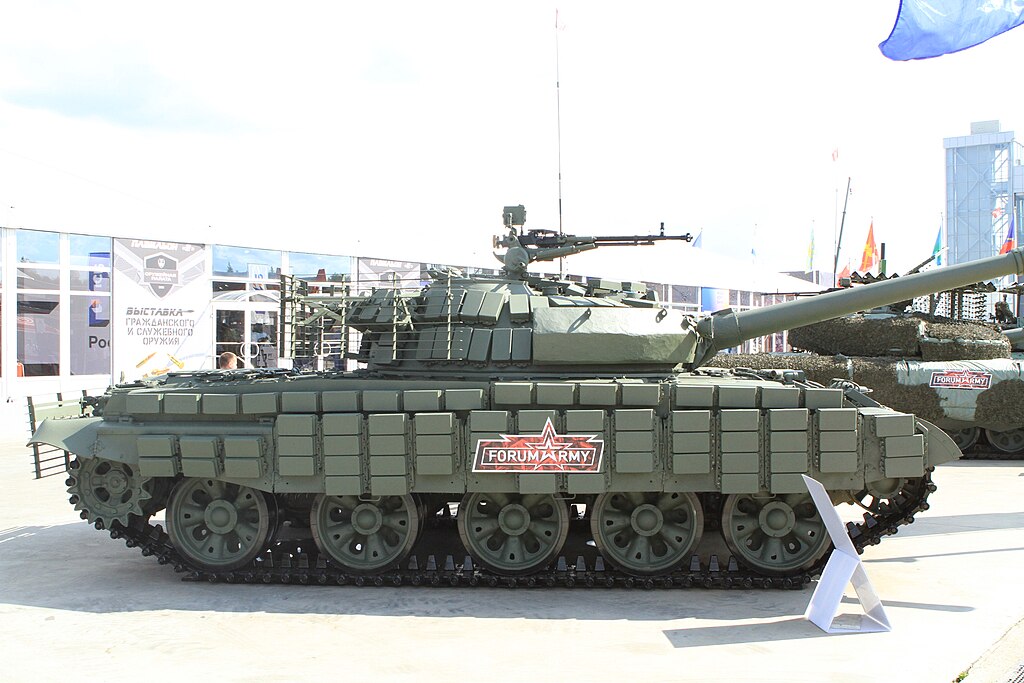
4. T-62M and T-62MV
 Nickel nitride, CC0, via Wikimedia Commons
Introduction: Upgraded version in 2022
The older T-62 has been upgraded with modern protection and electronics, and these enhanced models were brought back into service in 2022 as a response to losses in the Ukraine conflict. The T-62M and T-62MV are equipped with modern sighting systems and reactive armor but lack the advanced technology found in the T-90 and T-14.
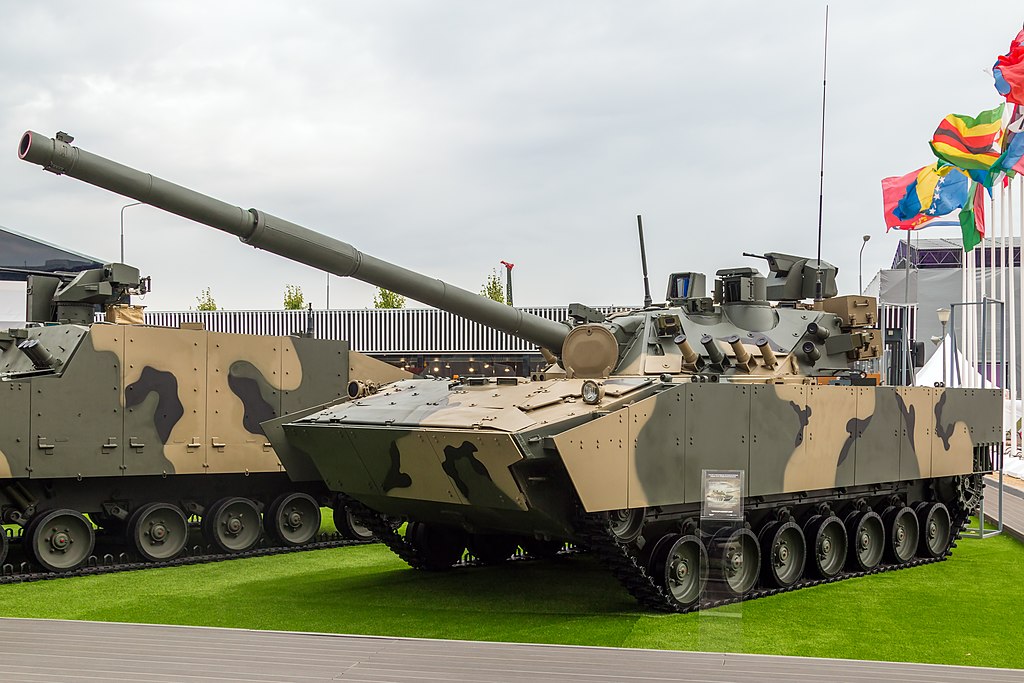
5. Sprut-SD
 Mike1979 Russia, CC BY-SA 4.0 https://creativecommons.org/licenses/by-sa/4.0 via Wikimedia Commons
Introduction: 1980s, but in limited production since 2018
The Sprut-SD is an airborne tank destroyer primarily used by airborne units. It is equipped with a 125 mm cannon and advanced fire control systems, making it effective against both light and heavy armored targets. It is especially designed to operate in rough terrain and move quickly.
6. AK-12
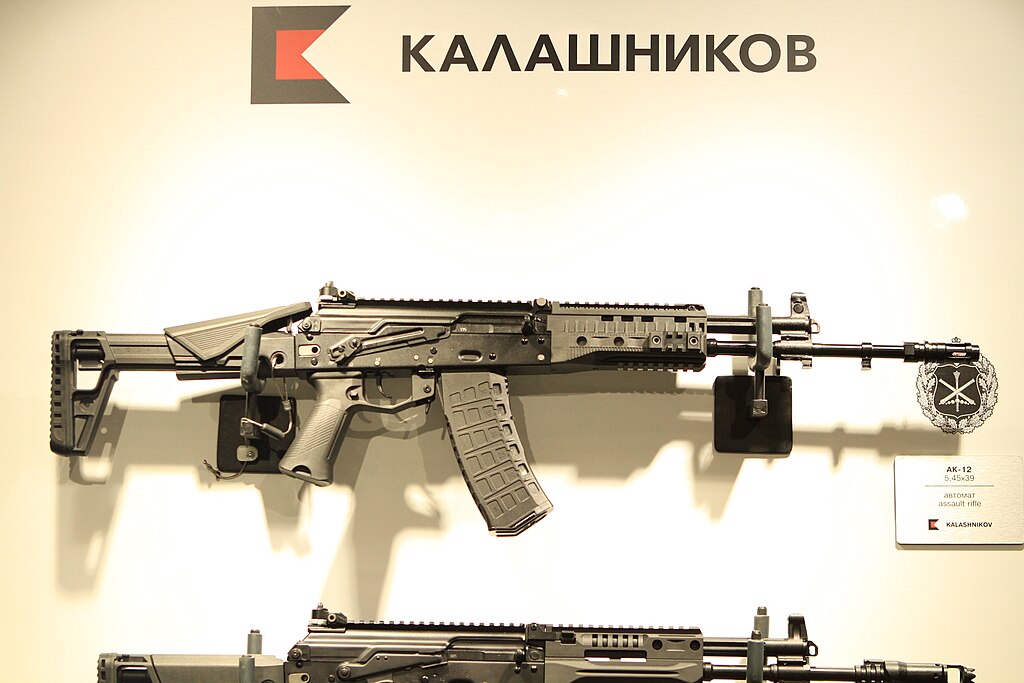 Nickel nitride, CC0, via Wikimedia Commons
Introduction: 2018
The AK-12 is a modern update of the classic AK-rifle, with improved ergonomics and precision. The rifle uses the modern 5.45×39 mm cartridge and is designed to be more modular, allowing customization for different missions and conditions. It also features an enhanced rail system for accessories such as sights and grenade launchers.
7. AK-15
 Vitaly V. Kuzmin, CC BY-SA 4.0 https://creativecommons.org/licenses/by-sa/4.0 via Wikimedia Commons
Introduction: 2018
The AK-15 is a variant of the AK-12 but uses 7.62×39 mm cartridges, providing increased firepower and penetration. The rifle has gained popularity among units needing a more powerful rifle capable of penetrating heavier targets and objects. It’s also designed with better ergonomics and precision.
8. AK-203
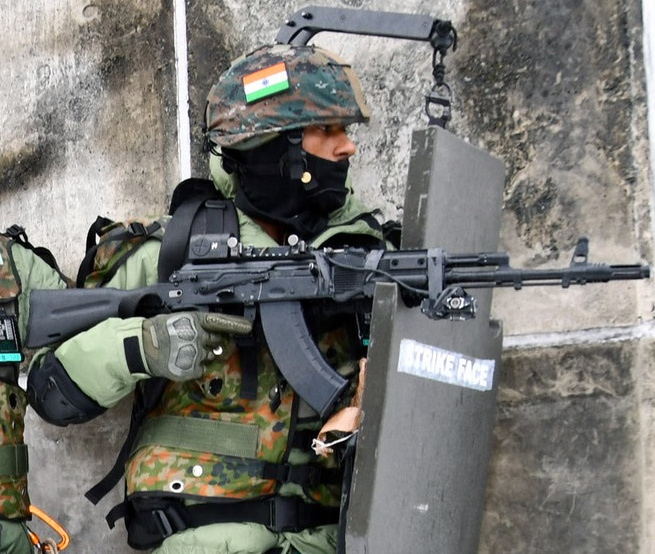 Rikujojieitai Boueisho (陸上自衛隊 / Japan Ground Self-Defense Force), CC BY 4.0 https://creativecommons.org/licenses/by/4.0 via Wikimedia Commons
The AK-203 is an upgrade to the well-known AK-103 and was developed in collaboration with India. The rifle has been enhanced with modern ergonomics and a lighter construction, making it more comfortable for extended use. It has become a standard weapon in both Russian and Indian military forces.
9. AN-94
 Vitaly V. Kuzmin, CC BY-SA 4.0 https://creativecommons.org/licenses/by-sa/4.0, via Wikimedia Commons
Introduction: 1997, but still in use
The AN-94 is an advanced automatic rifle that uses a double-barrel mechanism allowing two nearly simultaneous shots, providing high precision and efficiency at longer ranges. The rifle has been used by Russian special forces and is a technological breakthrough due to its ability to deliver precise shots quickly.
10. MP-443 Grach
 Vitaly V. Kuzmin, CC BY-SA 4.0 https://creativecommons.org/licenses/by-sa/4.0 via Wikimedia Commons
Introduction: 2003
The MP-443 Grach is a semi-automatic pistol that has become the primary sidearm for the Russian military. Designed for reliability and robustness under extreme conditions, it can fire both standard and subsonic rounds. The pistol is known for its durability and accuracy, making it suitable for both military and police work.
11. PYa
 Vitaly V. Kuzmin, CC BY-SA 4.0 https://creativecommons.org/licenses/by-sa/4.0 via Wikimedia Commons
Introduction: 2003
The PYa is a semi-automatic pistol primarily used by Russian police and special forces. The pistol is compact, easy to use, and offers a high rate of fire. It is designed to be quickly drawn and used in close combat situations where rapid fire is essential.
12. PSM
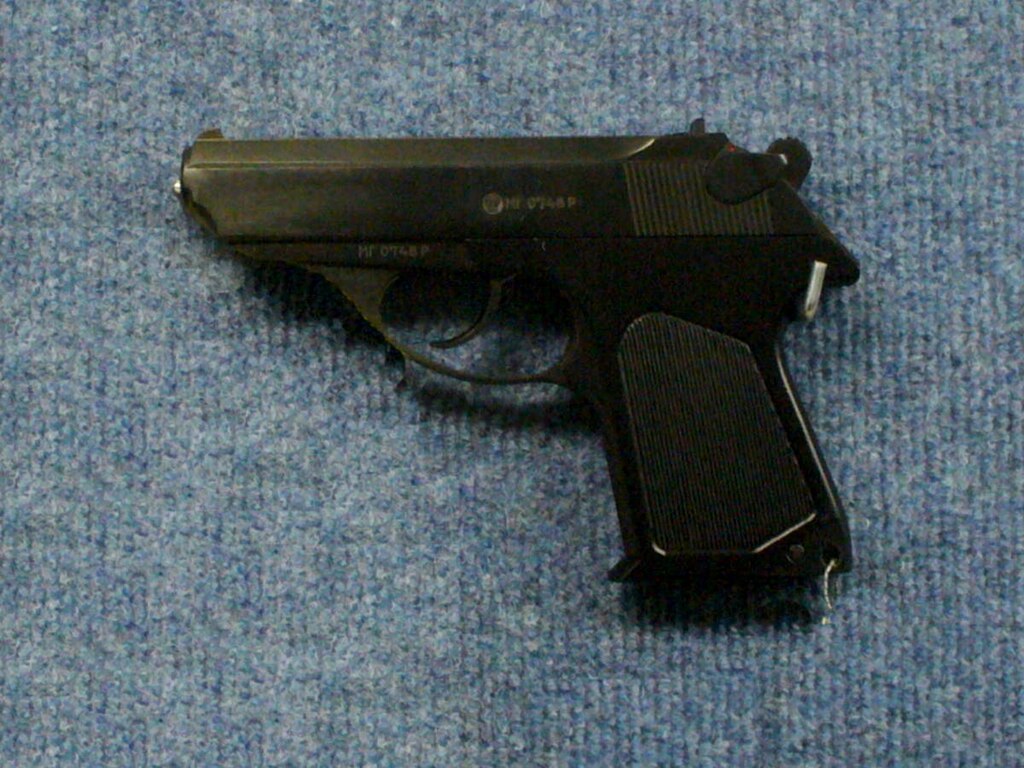 Atirador, CC BY 3.0 https://creativecommons.org/licenses/by/3.0 via Wikimedia Commons
Introduction: 1980s, but still in use
The PSM is a very compact pistol designed for use by intelligence services and special forces. It is known for its small size and quiet firing, which makes it ideal for covert operations. The pistol uses the special 5.45×18 mm cartridge, making it even more discreet.
Stechkin APS
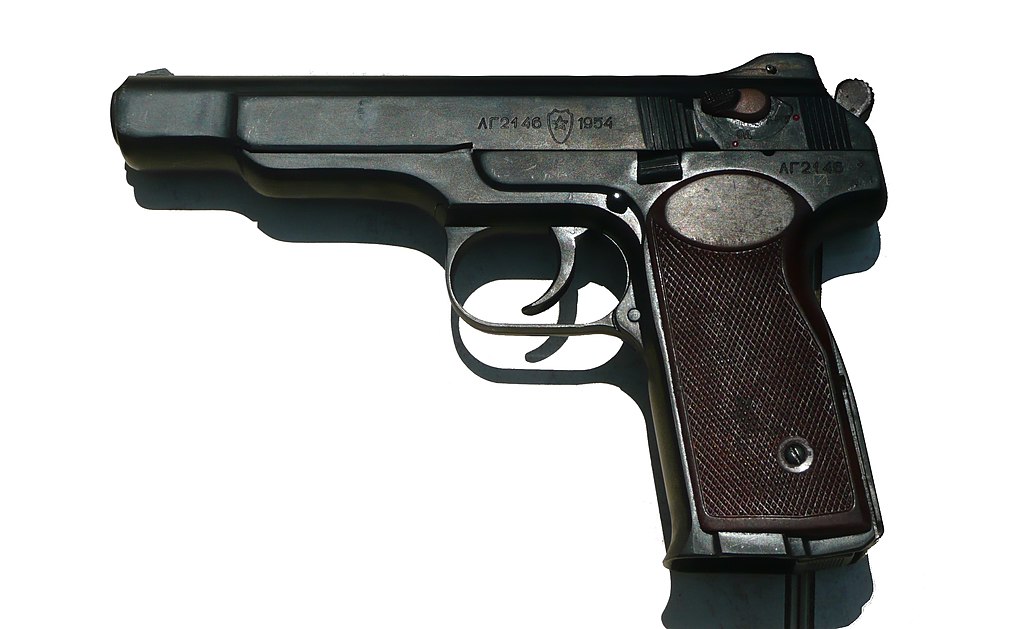 Andrey Butko, CC BY-SA 3.0 https://creativecommons.org/licenses/by-sa/3.0 via Wikimedia Commons
Introduction: 1950s, but still in use
The Stechkin APS is a fully automatic pistol designed for special forces capable of firing both single and automatic shots. It is more powerful than most pistols and is used in close-quarters combat where high firepower is necessary. Despite its age, it is still in use due to its effectiveness at short range.
14. RS-28 Sarmat (NATO: SS-X-30 Satan II)
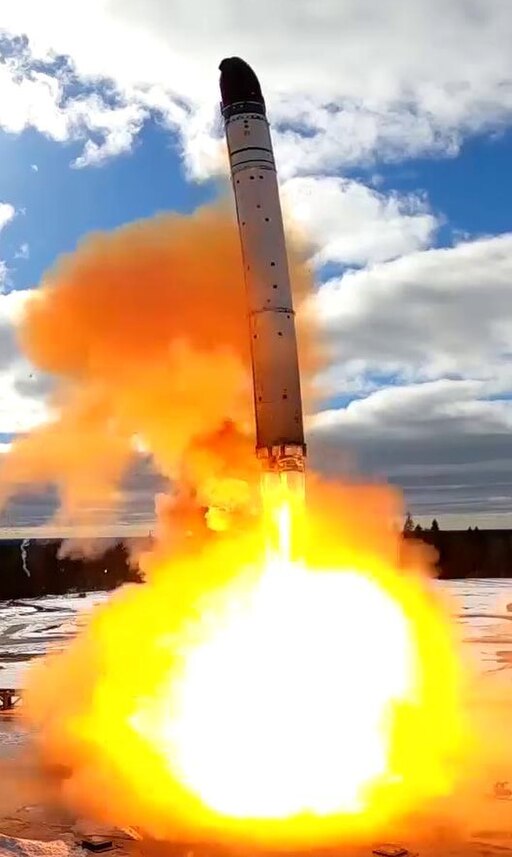 Ministry of Defence of the Russian Federation, CC BY 4.0 https://creativecommons.org/licenses/by/4.0 via Wikimedia Commons
Introduction: 2023
The RS-28 Sarmat is a heavy intercontinental ballistic missile (ICBM) with a range of up to 18,000 km. It is designed to carry up to 16 nuclear warheads and glide vehicles like Avangard, with the capability to hit distant targets. The missile is one of the most powerful in Russia’s arsenal and marks a step forward in missile technology.
15. 9M730 Burevestnik (NATO: SSC-X-9 Skyfall)
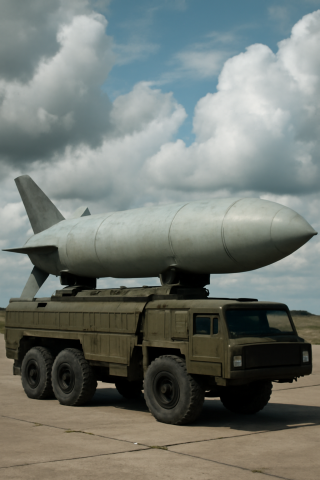 3D Visualization
Introduction: Under development
Burevestnik is a nuclear-powered cruise missile with an unlimited range. The missile is still under development and was first tested in 2023. It is a crucial element in Russia’s strategy to threaten enemy targets with an extremely long range and high precision.
16. 3M22 Zircon (NATO: SS-N-33 Tsirkon)
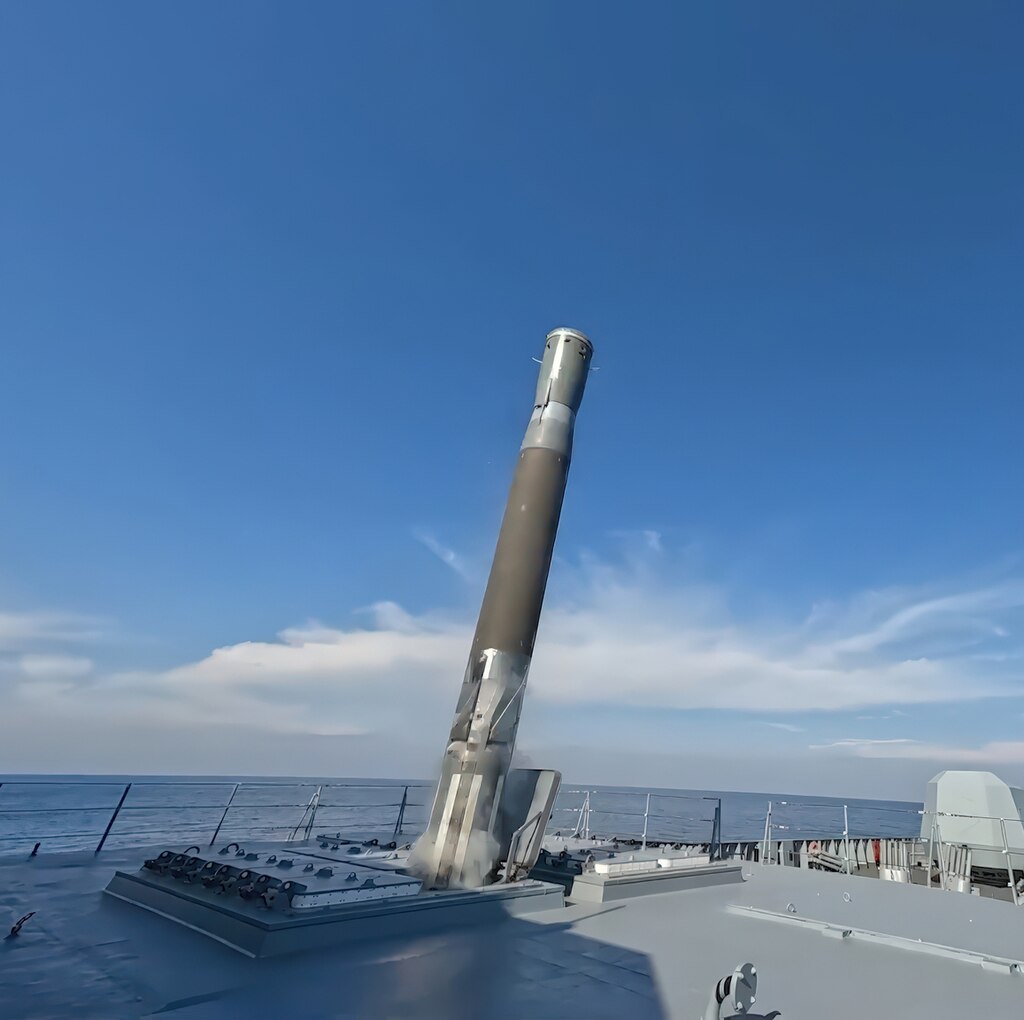 Минобороны РФ, CC BY 4.0 https://creativecommons.org/licenses/by/4.0, via Wikimedia Commons
Introduction: 2023
Zircon is a hypersonic cruise missile that can achieve speeds of Mach 9. It has a range of over 1,000 km and can be launched from ships, submarines, and land-based platforms. The missile is operational and is considered one of the biggest threats to Western missile defense systems.
17. Avangard (NATO: SS-X-29 or SS-X-30)
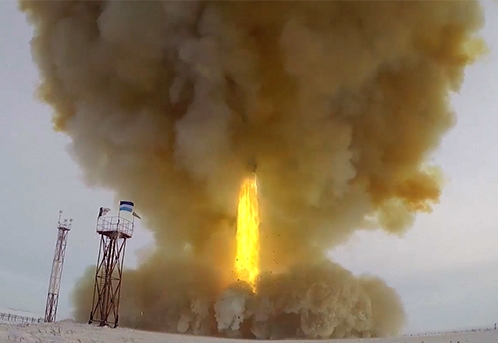 Mil.ru, CC BY 4.0 https://creativecommons.org/licenses/by/4.,0, via Wikimedia Commons
Introduction: 2019
Avangard is a hypersonic glide vehicle capable of reaching speeds of Mach 20–27, designed to carry both nuclear and conventional warheads. It is part of Russia’s strategic missile defense and can be launched from intercontinental ballistic missiles.
18. Oreshnik
 3D Visualization
Introduction: 2025
Oreshnik is a medium-range hypersonic ballistic missile with a range of up to 5,500 km. It is under development and is designed to surpass Western missile defense systems, making it one of the most advanced weapons in Russia currently.
Our team may have used AI to assist in the creation of this content, which has been reviewed by our editors.
![]()
Read also: