Vemira
7 Things You Didn’t Know About NATO’s AWACS Aircraft
AWACS aircraft – those distinctive planes with a radar dome on top – play a central but often overlooked role in NATO’s defense and surveillance. They’ve been in service since the Cold War and have undergone numerous technological and strategic upgrades. Here are seven surprising things you (probably) didn’t know about NATO’s airborne radar stations.
 U.S. Air Force photo by Tech. Sgt. John K. McDowell, Public domain, via Wikimedia Commons
AWACS aircraft – those distinctive planes with a radar dome on top – play a central but often overlooked role in NATO’s defense and surveillance. They’ve been in service since the Cold War and have undergone numerous technological and strategic upgrades. Here are seven surprising things you (probably) didn’t know about NATO’s airborne radar stations.
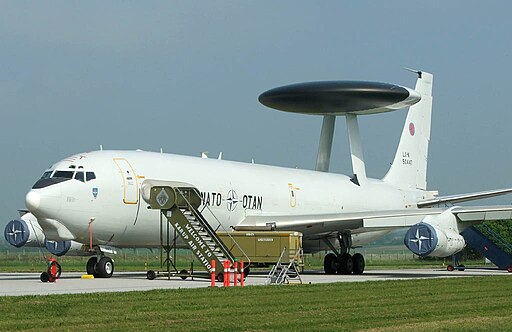
#1: The Aircraft Are Based on the Boeing 707
 user:Pajx, Public domain, via Wikimedia Commons
Although most people recognize AWACS as a unique aircraft, it’s actually based on a familiar classic – the Boeing 707. This civilian airliner, which revolutionized commercial aviation in the 1960s, was adapted for military use with extensive modifications, especially the radar system mounted on top.
![]()
Read also:
#2: The Radar Can Cover Up to a 400 km Radius
 Frans Berkelaar, CC BY 2.0 via Wikimedia Commons
AWACS stands for Airborne Warning and Control System, and the radar is at the heart of the operation. It can monitor airspace within a radius of around 400 kilometers – covering an area larger than all of Denmark – and can track up to 180 targets at once.
#3: NATO’s AWACS Are Multinationally Owned
 DoD photo by Senior Airman Diane S. Robinson, U.S. Air Force, Public domain, via Wikimedia Commons
Most military aircraft belong to a single country, but NATO’s AWACS fleet is unique. The planes are owned and operated jointly by several NATO member states, making them a rare example of true multinational military cooperation.
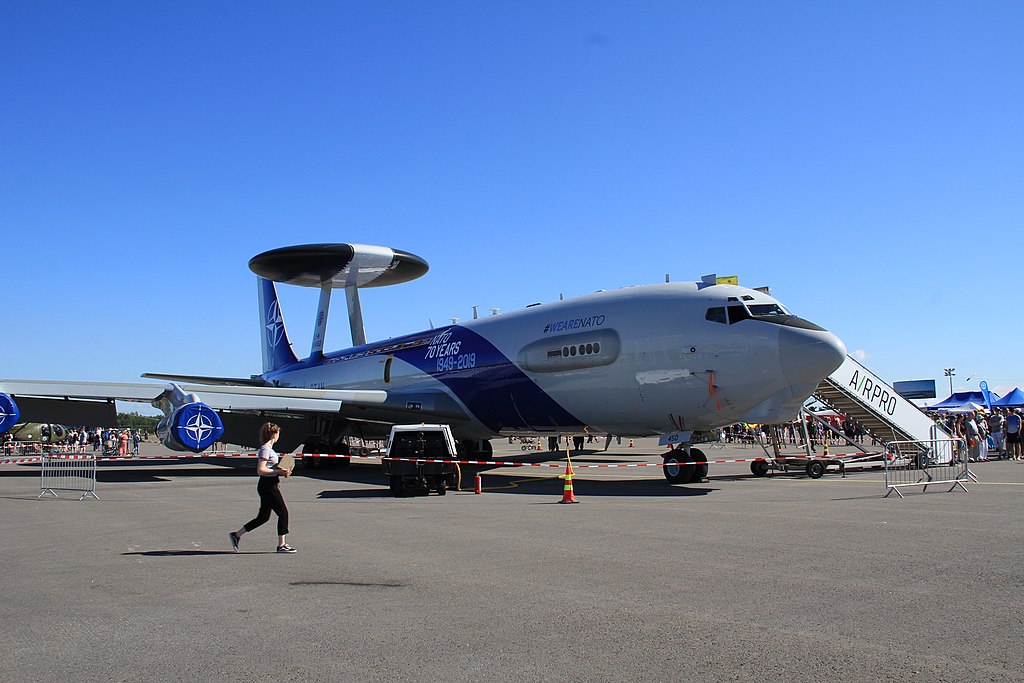
#4: They’ve Been Active in Both War and Peace
 Htm, CC BY 4.0 via Wikimedia Commons
AWACS aircraft have participated in every major NATO operation since the 1980s. They’ve flown missions over the Balkans, Afghanistan, Libya, and Iraq – but are also used for air surveillance during major international events like the Olympics and G7 summits.
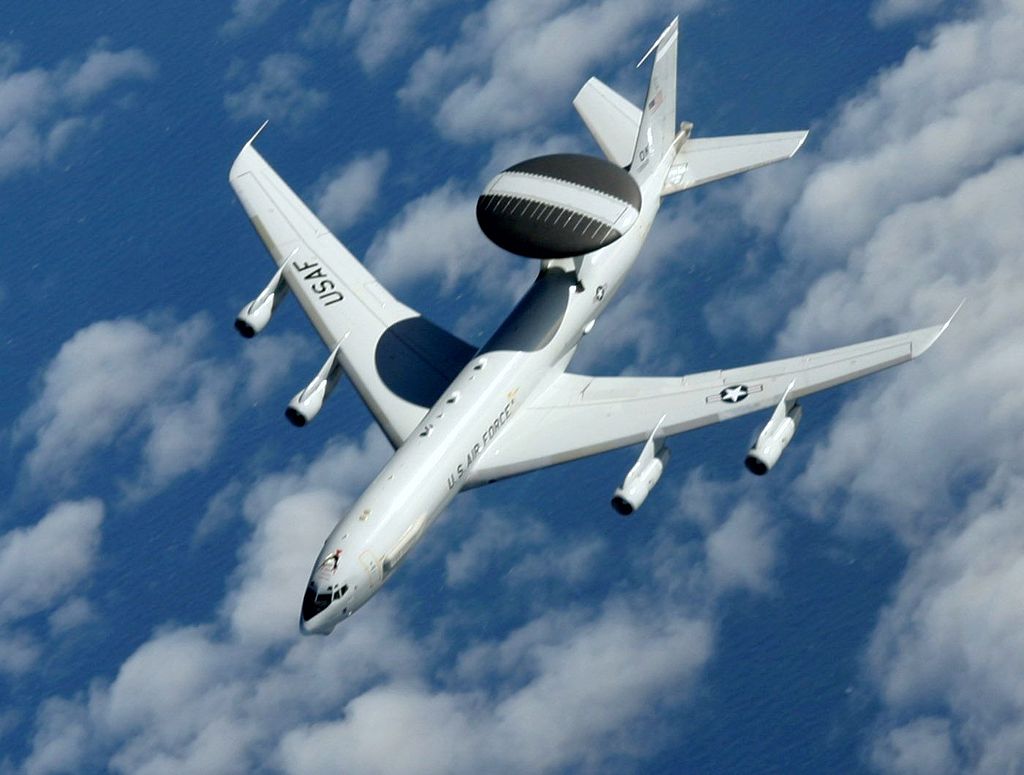
#5: The Aircraft Have Their Own “Control Tower” Onboard
 U.S. Air Force photo by 1st. Lt. Kinder Blacke, Public domain, via Wikimedia Commons
With up to 30 crew members, an AWACS functions as a flying command center. Onboard are air force officers, technicians, and communication specialists who can direct fighter jets, monitor airspace, and share intelligence in real time.
#6: They Can Communicate With Both Aircraft and Ground Forces
 U.S. Air Force photo by Gary Ell, Public domain, via Wikimedia Commons
AWACS are equipped with advanced communication systems that allow them to send and receive information between airborne and ground units. This capability makes them a vital component of NATO’s command and control structure.
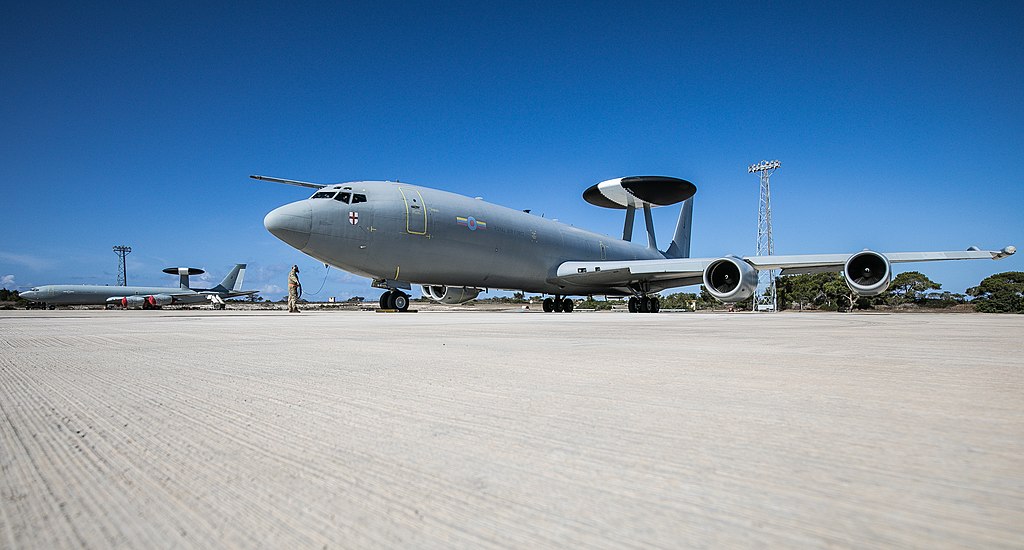
#7: The Future Brings Replacement and Modernization
 UK Ministry of Defence, OGL v1.0OGL v1.0, via Wikimedia Commons
The AWACS fleet is over 40 years old, and while the aircraft have been continuously upgraded, they’re approaching retirement age. NATO already has plans to replace the fleet with newer, modern surveillance aircraft – possibly based on the Boeing E-7 Wedgetail.
Our team may have used AI to assist in the creation of this content, which has been reviewed by our editors.
![]()
Read also: