Random
7 Things You Didn’t Know About the Chinese J-31: The Future Stealth Fighter
China’s fighter jet program has long been shrouded in mystery, with one of the most talked-about projects being the J-31, also known as FC-31. The aircraft is often compared to the American F-35 but boasts a range of unique characteristics and purposes. Here are 7 surprising things you (probably) didn’t know about the Chinese J-31.
 Danny Yu, CC BY-SA 4.0 via Wikimedia Commons
China’s fighter jet program has long been shrouded in mystery, with one of the most talked-about projects being the J-31, also known as FC-31. The aircraft is often compared to the American F-35 but boasts a range of unique characteristics and purposes. Here are 7 surprising things you (probably) didn’t know about the Chinese J-31.
#1: Not Initially Government-Driven
 日本防衛省・統合幕僚監部, CC BY 4.0 via Wikimedia Commons
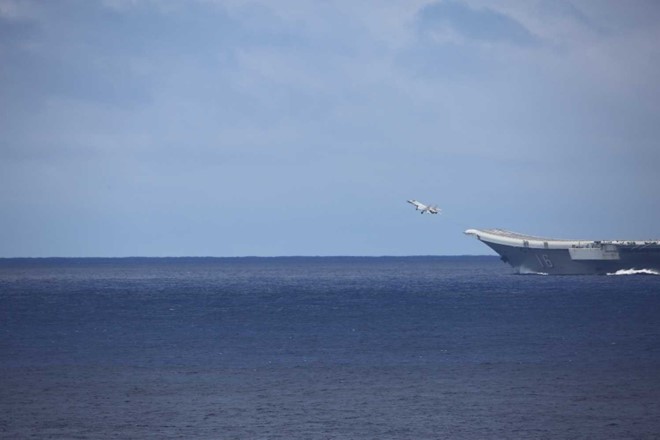
The J-31 project initially started as a private initiative. The state-owned Shenyang Aircraft Corporation developed the aircraft without direct support from the Chinese government. It wasn’t until later that the People’s Liberation Army showed interest in the project, which is unusual in China’s highly centralized defense industry.
![]()
Read also:
#2: An Export Dream
 日本防衛省・統合幕僚監部, CC BY 4.0 via Wikimedia Commons
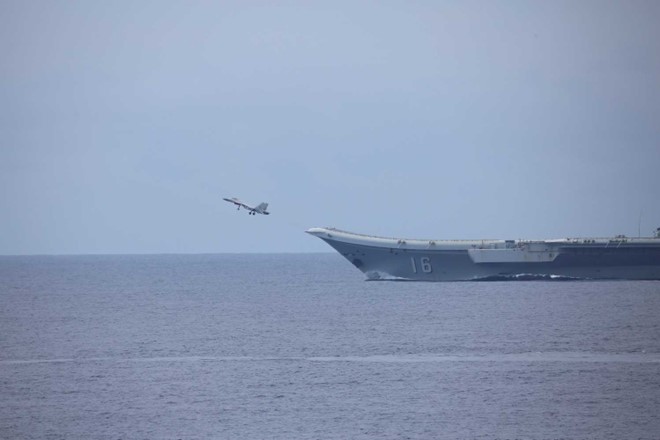
The J-31 is largely designed with export in mind. Unlike the more advanced J-20, which is reserved for China’s own air forces, the J-31 targets foreign markets. The aircraft aims to offer an affordable stealth solution to countries unable to purchase the F-35 for political or economic reasons.
#3: Strong Similarity to the F-35 – and It’s No Coincidence
 日本防衛省・統合幕僚監部, CC BY 4.0 via Wikimedia Commons
Many have noticed the striking resemblance between the J-31 and the American F-35. It is speculated that Chinese hackers stole design files from Lockheed Martin in the early 2010s, which may have provided the Chinese with shortcuts to stealth technology and aerodynamic solutions.
#4: Ready for Aircraft Carriers
 wc, CC BY-SA 4.0 via Wikimedia Commons
An upgraded version of the J-31 has been adapted for use on aircraft carriers, making it China’s first stealth fighter suitable for naval air forces. This version includes reinforced landing gear and catapult compatibility, which are essential for modern carrier operations.
#5: Uncertain Future at Home
 天剣2, CC BY-SA 4.0 via Wikimedia Commons
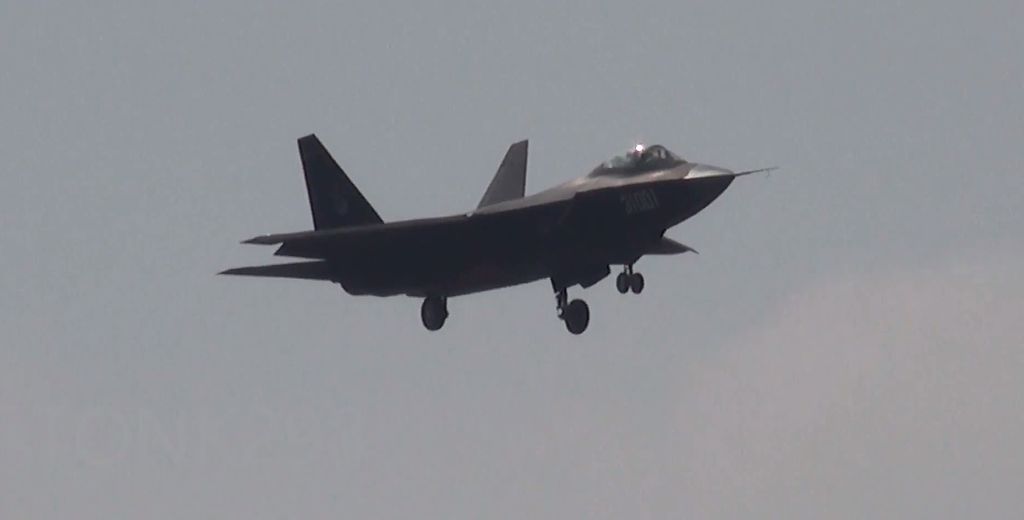
Despite the plane’s potential, it remains unclear whether the J-31 will become a cornerstone of China’s own air force. The J-20 has taken the leading role as China’s primary stealth fighter, and it could mean that the J-31 will play more of a secondary role, especially if export ambitions do not succeed.
#6: Lower Stealth Level than Competitors
 天剣2, CC BY-SA 4.0 via Wikimedia Commons
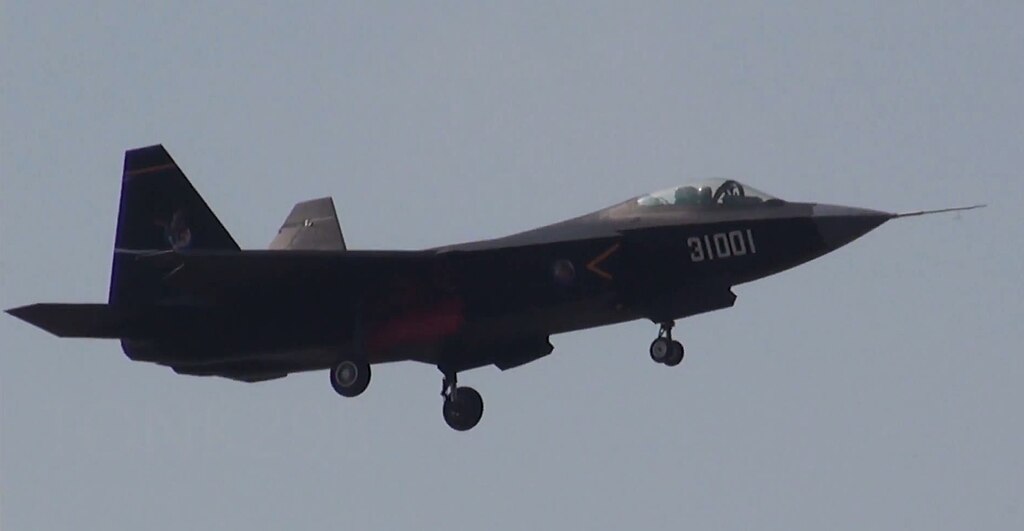
While the J-31 is marketed as a stealth fighter, Western experts assess that it doesn’t quite meet the standards of, for example, the F-22 and F-35. Particularly, the design of the weapons bay and the radar profile suggest compromises in stealth capabilities, possibly to keep costs down.
#7: A Step Towards China’s Military Globalization
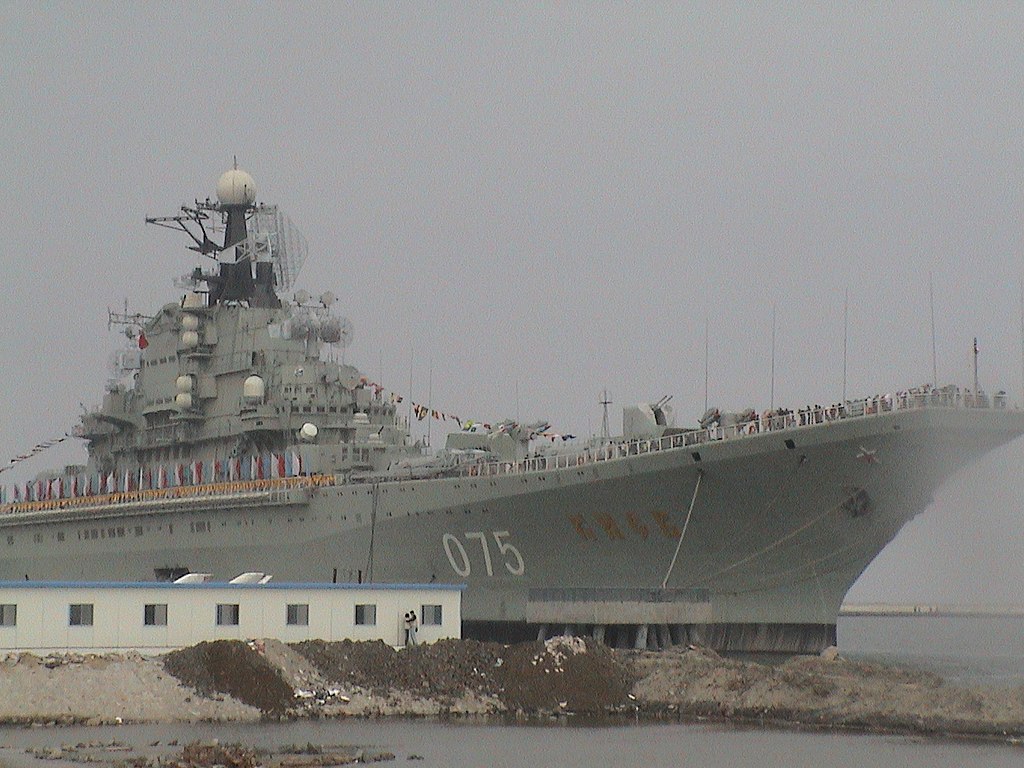 Yaohua2000, CC BY-SA 3.0 via Wikimedia Commons
The J-31 is not just an aircraft – it is a signal. China aims to become a central player in the global arms market, and the J-31 is a key piece in that puzzle. With this aircraft, China is attempting to demonstrate that it can compete with the West both technologically and strategically, and export military hardware to new allies worldwide.
Our team may have used AI to assist in the creation of this content, which has been reviewed by our editors.
![]()
Read also: