Vemira
When New Technology Becomes a Trap: 10 Car Features Seniors Should Know Before Their Next Purchase
Modern technology is amazing – but it must be adapted to the user. For older drivers, it’s about finding the right balance between innovation and user-friendliness.
 Foto: Pexels
Modern cars are packed with technology meant to make driving easier and safer. But for senior drivers, some of these features can actually create more confusion than confidence. Here are 10 modern car features that may pose a challenge – and in some cases, a risk – for older drivers behind the wheel.
Electronic or Hidden Door Handles
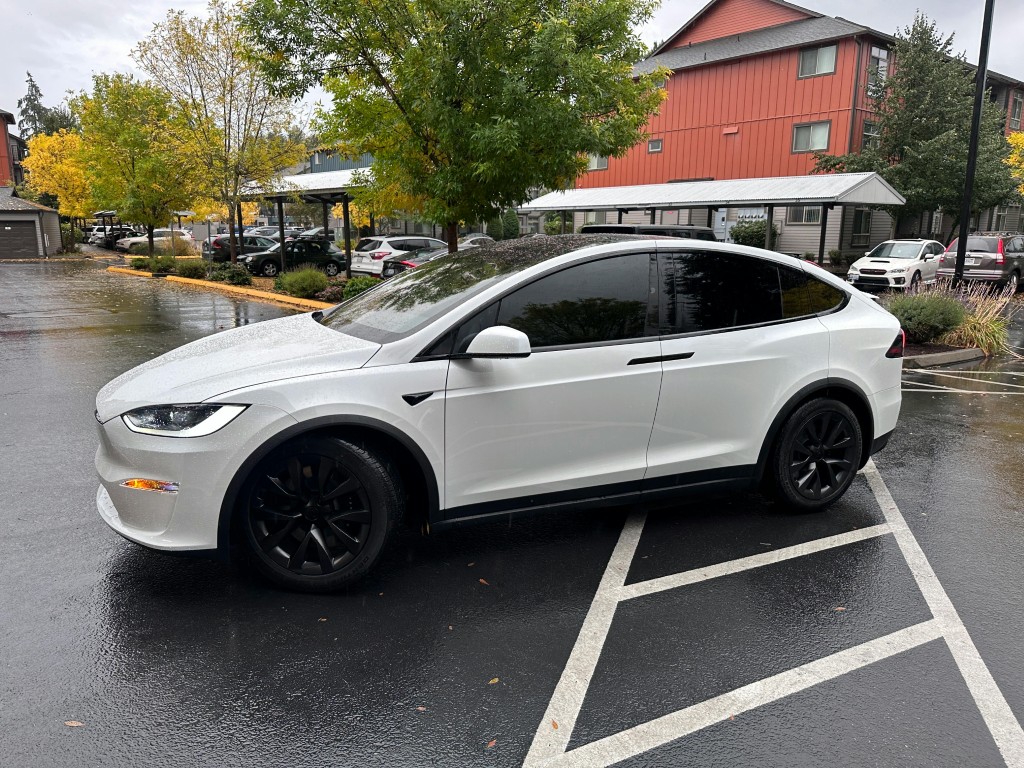 Foto: Pexels
The design is futuristic, but the functionality can be problematic for those with reduced finger strength or arthritis. These handles can be hard to locate and operate – especially in cold weather, when they may freeze.
![]()
Read also:
Keyless Entry and Smartphone Start
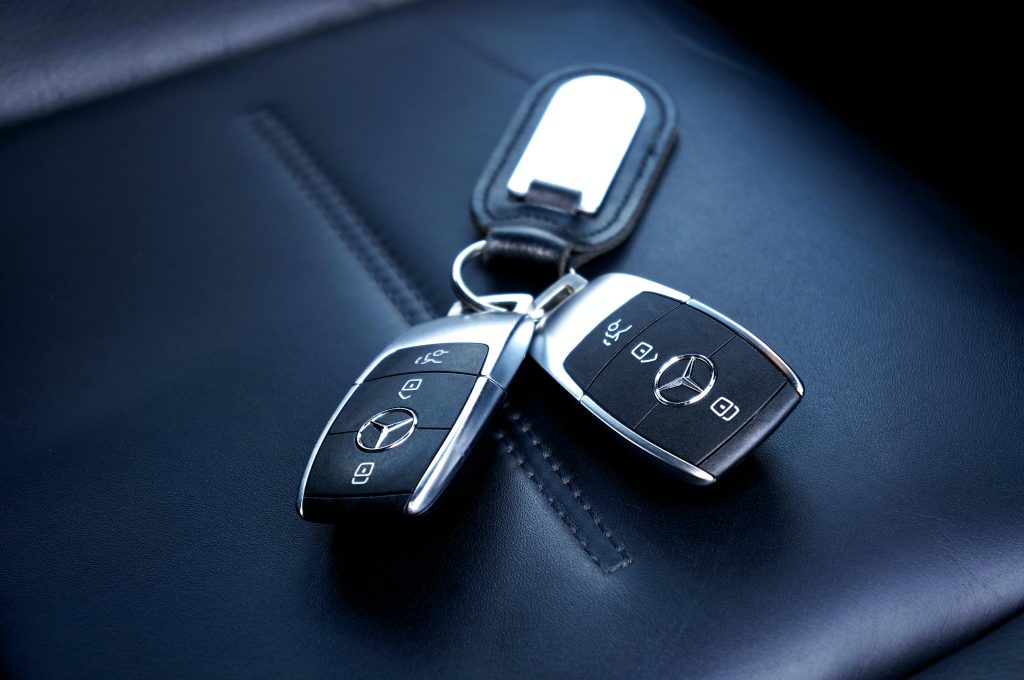 Foto: Pexels
It sounds smart, but for many older drivers, it’s a technological hurdle. Having to use an app or press hidden buttons can create uncertainty and confusion.
Large Wheels and Low-Profile Tires
 Foto: Pexels
They may look stylish but often result in a rougher ride. For seniors who prioritize comfort and stability, large wheels can be a drawback – and they’re more expensive to replace.
Touchscreen Controls for Everything
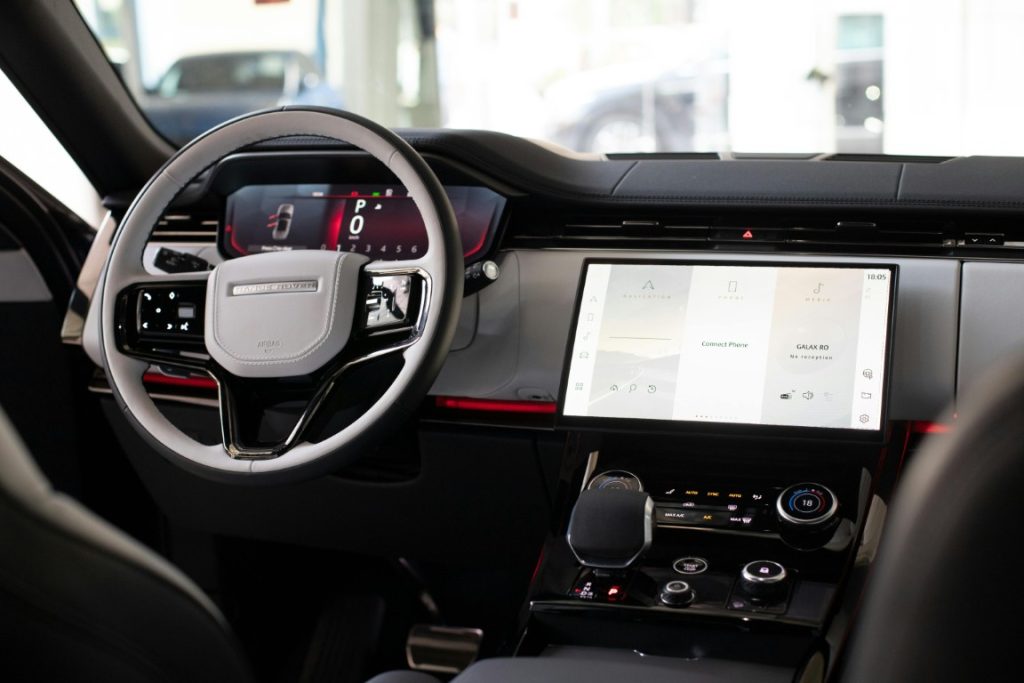 Foto: Pexels
When even the air conditioning and radio require navigating digital menus, it can become a distraction. For older drivers, physical buttons are often more intuitive and safer to use while driving.
Modern Gear Selectors with Buttons or Dials
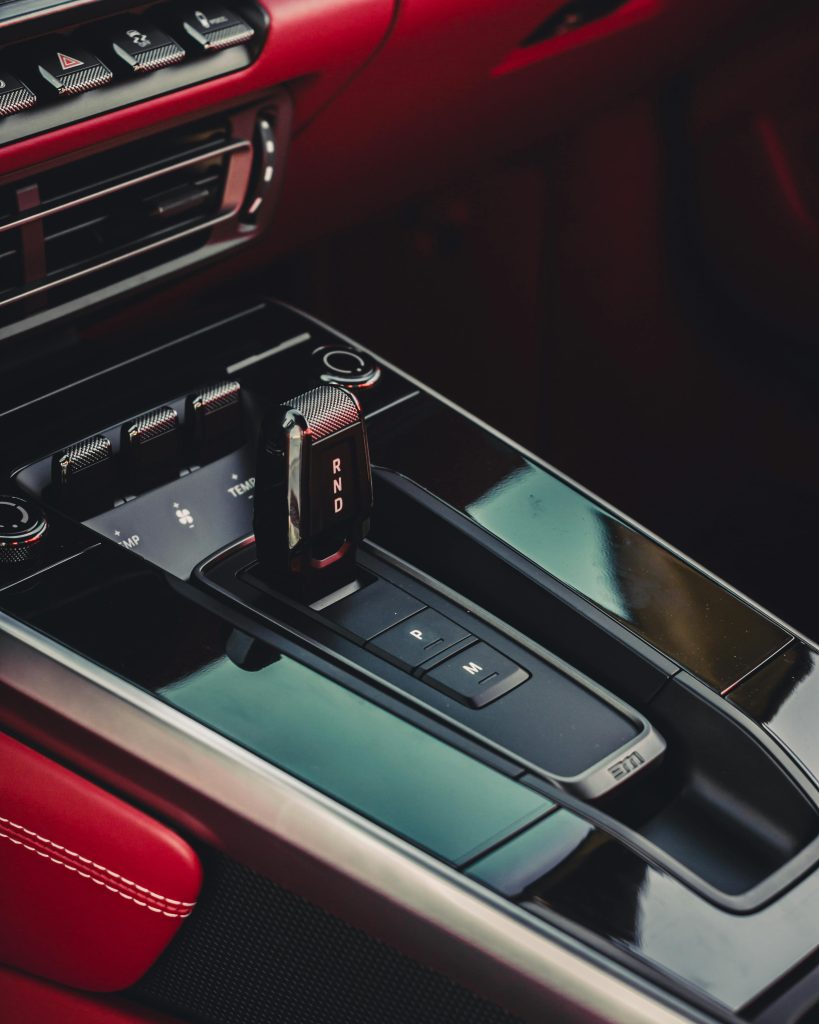 Foto: Pexels
These replace the classic gear stick but can be confusing. The risk of selecting the wrong gear is real – especially for those used to traditional gear systems.
Lane Assist and Lane Departure Warnings
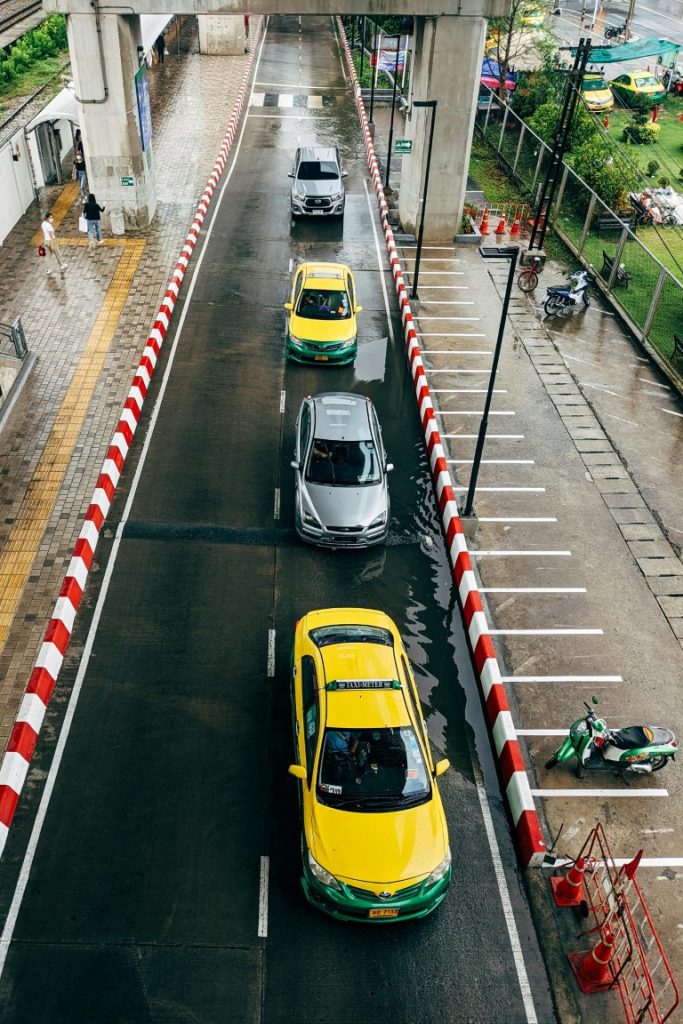 Foto: Pexels
Although designed to enhance safety, constant warnings and vibrations can feel intrusive – especially if the system reacts in a way that doesn’t feel intuitive.
Adaptive Cruise Control
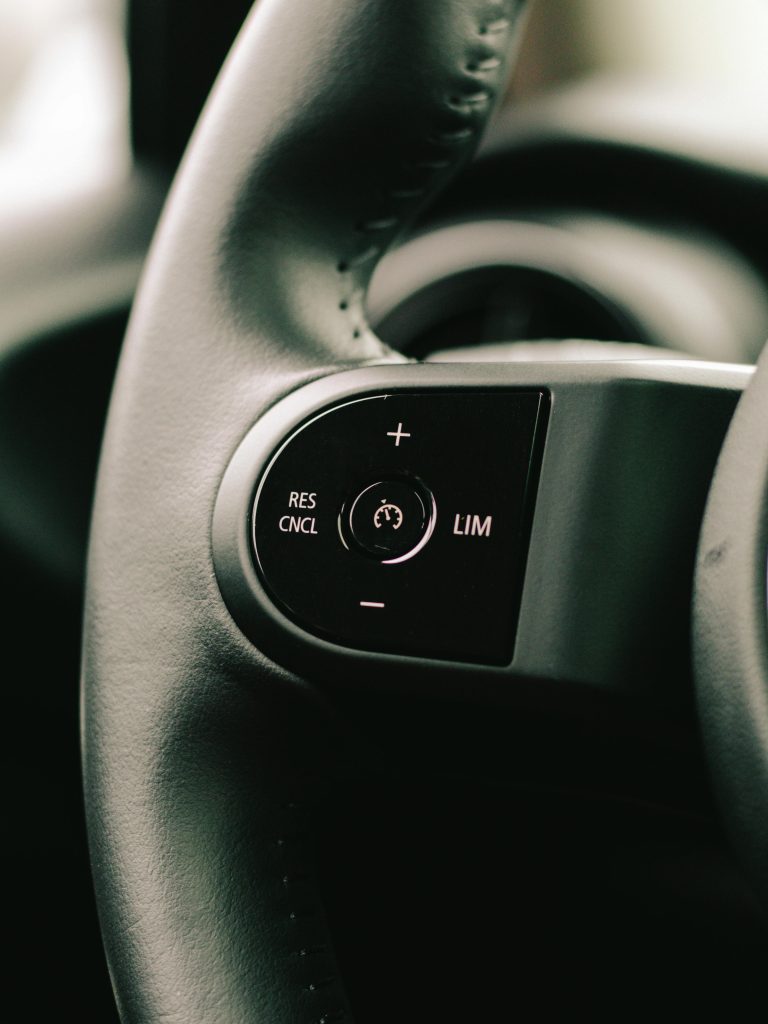 Foto: Pexels
It automatically adjusts speed according to traffic, but may give a false sense of security. If the system doesn’t react quickly enough, the driver must take over – something that can be challenging for those with slower reaction times.
Small and Tightly Placed Buttons
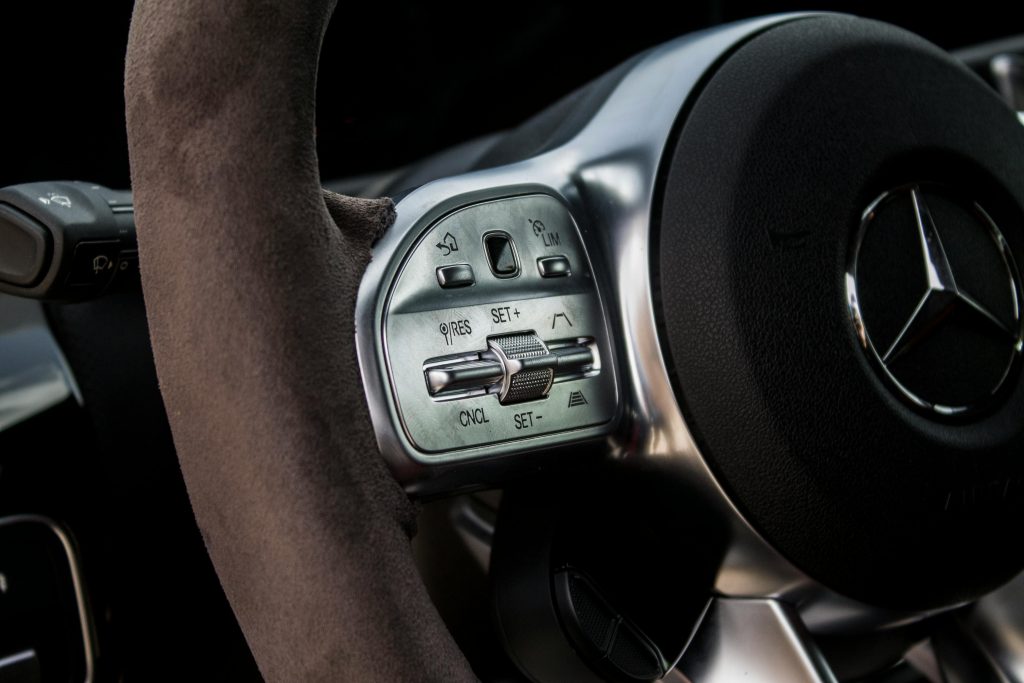 Foto: Pexels
Modern car interiors often favor aesthetics over functionality. Small buttons can be hard to see and press, especially for those with limited vision or dexterity.
Manual Handbrakes
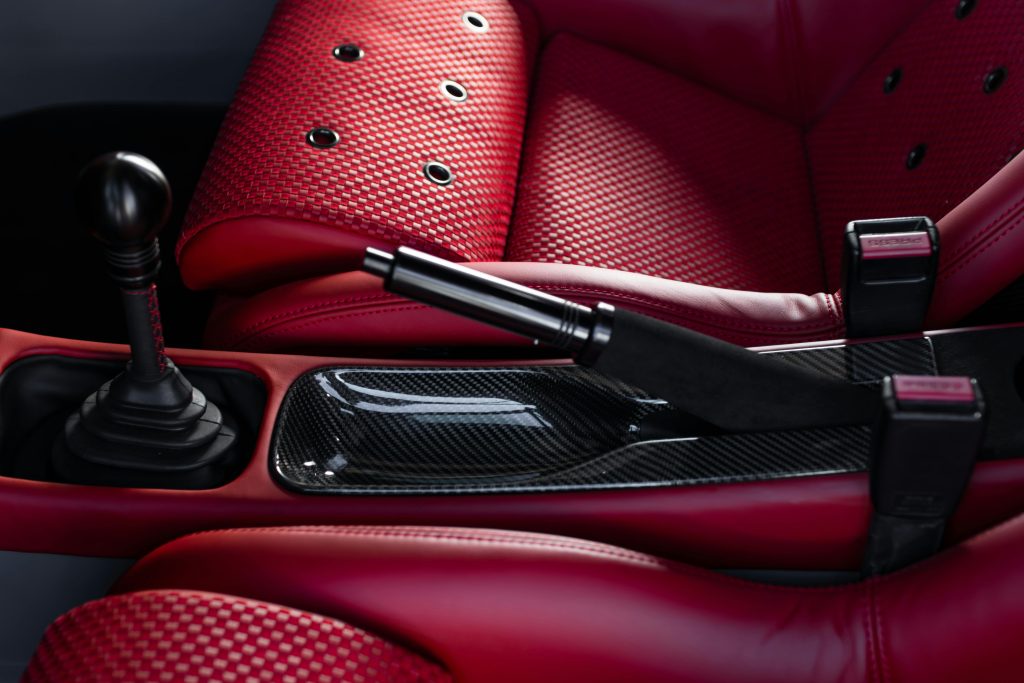 Foto: Pexels
They require physical strength and precision. For seniors with arthritis or reduced muscle strength, using them effectively can be difficult.
Overload of Warnings and Sounds
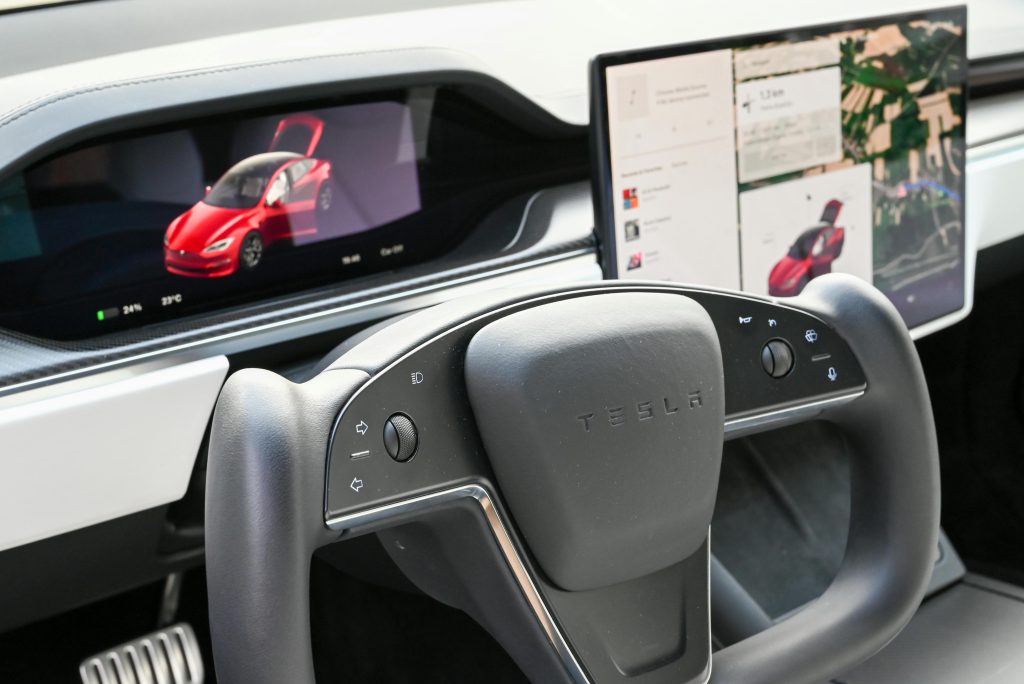 Foto: Pexels
Modern cars can bombard drivers with alerts, chimes, and messages. For some older drivers, this can feel overwhelming and cause unnecessary stress while driving.
Our team may have used AI to assist in the creation of this content, which has been reviewed by our editors.
![]()
Read also: