Gallery
7 Things You (Probably) Didn’t Know About the T-34 – The Soviet Union’s Armored Icon
Discover the fascinating aspects of the iconic T-34 Soviet tank.
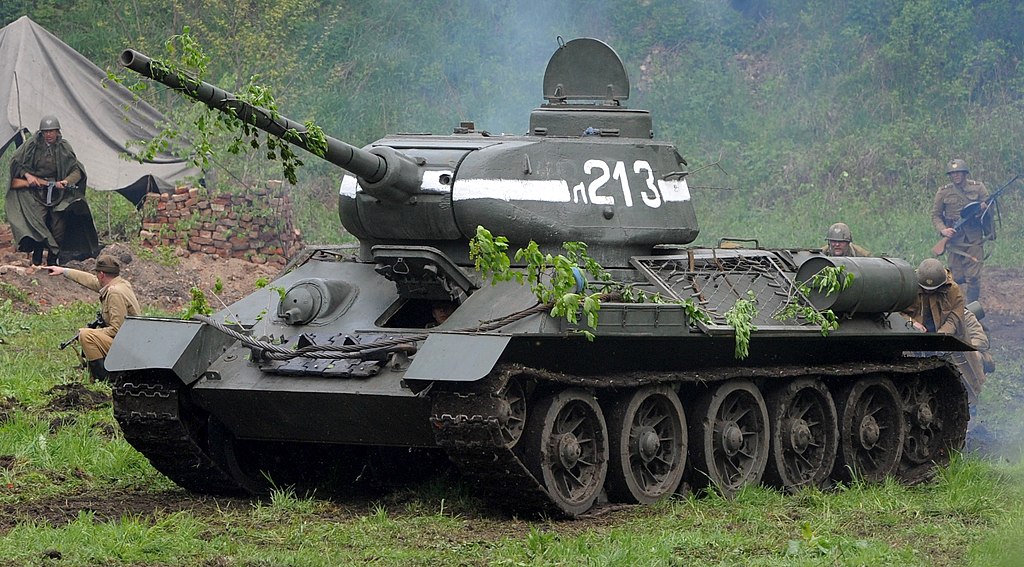 Cezary Piwowarski, CC BY-SA 4.0 via Wikimedia Commons
The Soviet T-34 tank is one of the most iconic tanks from World War II, often hailed as the war’s most effective and significant armored vehicle. Despite numerous documentaries, games, and books dedicated to it, the T-34 still holds surprising details that even war enthusiasts might overlook. Here are 7 fascinating things you might not know about the T-34.
#1: It was developed in secret
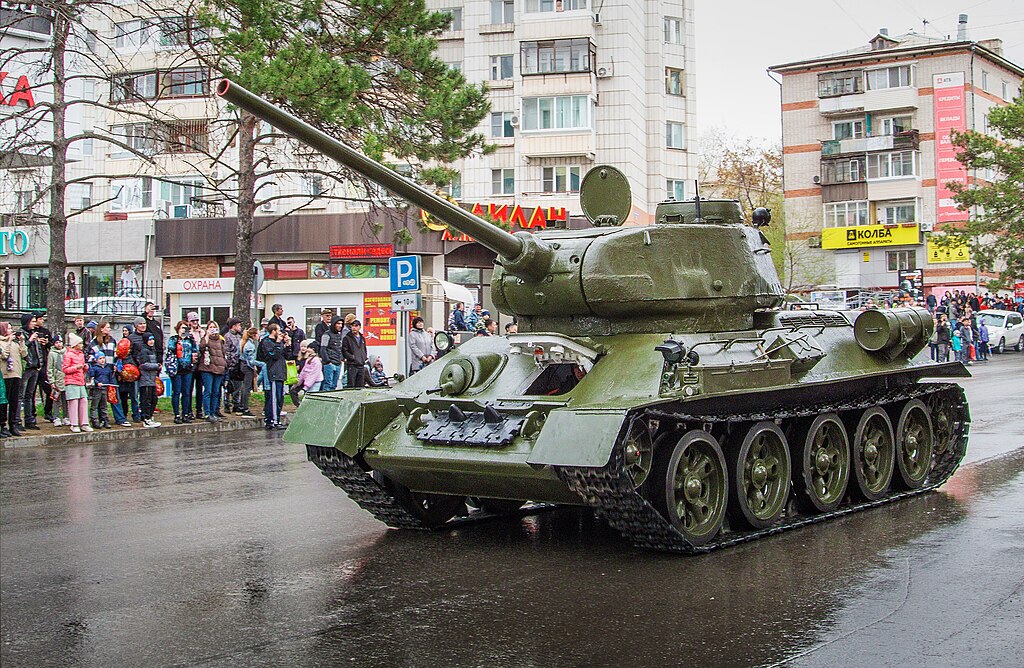 I13Robin, CC0, via Wikimedia Commons
The T-34 was developed under extreme secrecy in the late 1930s. The project, led by engineer Mikhail Koshkin, involved prototypes being driven from Kharkov to Moscow—a distance over 1,000 km—in secret and under their own power. This feat tested both the design and helped avoid attracting German attention.
![]()
Read also:
#2: Sloped armor was revolutionary
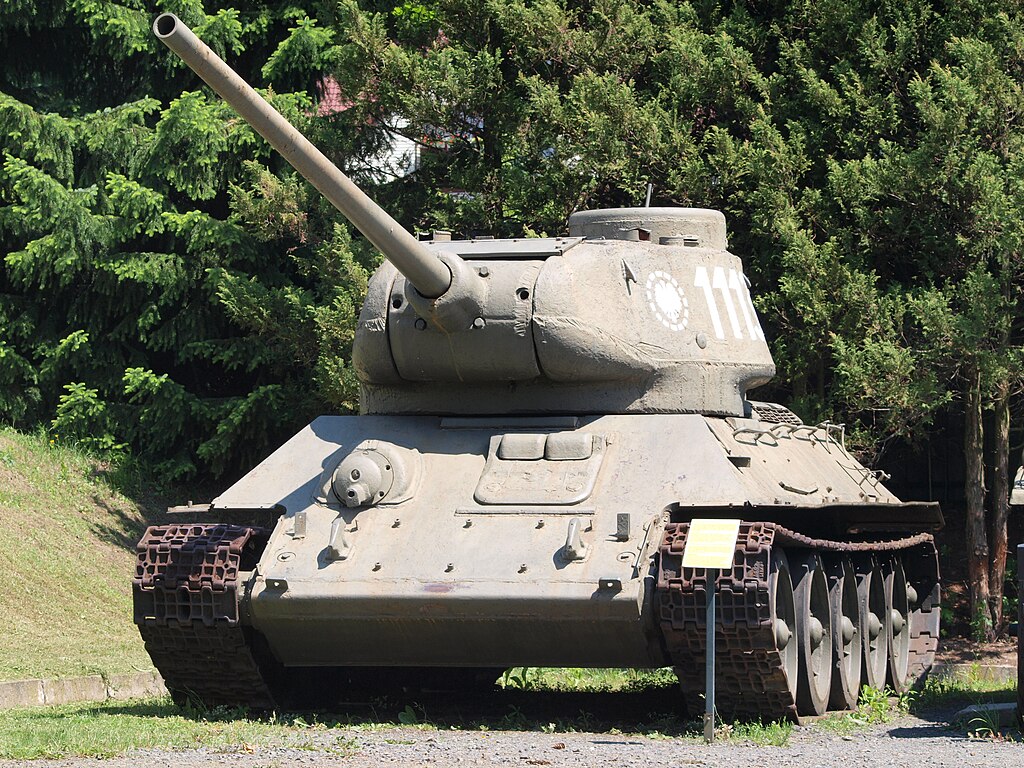 AlfvanBeem, CC0, via Wikimedia Commons
One of the major innovations of the T-34 was its sloped armor, which drastically increased its ability to deflect enemy shots. The angled armor meant shells were more likely to ricochet, greatly improving the tank’s survival chances compared to earlier flat-armored models.
#3: It was produced in staggering numbers
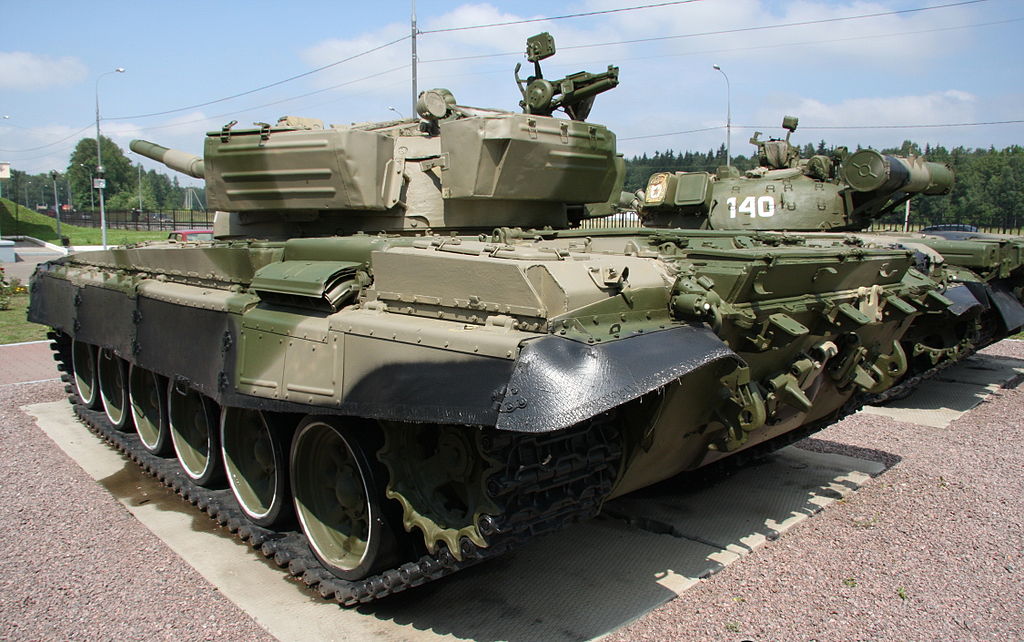 Vitaly V. Kuzmin, CC BY-SA 4.0 via Wikimedia Commons
The T-34 was not only effective but also mass-produced on an unprecedented scale. Over 80,000 T-34s were built during and after the war, making it one of the most produced tanks ever. This mass production was crucial in the Soviet Union’s ability to push back Nazi Germany.
#4: It was surprisingly easy to repair
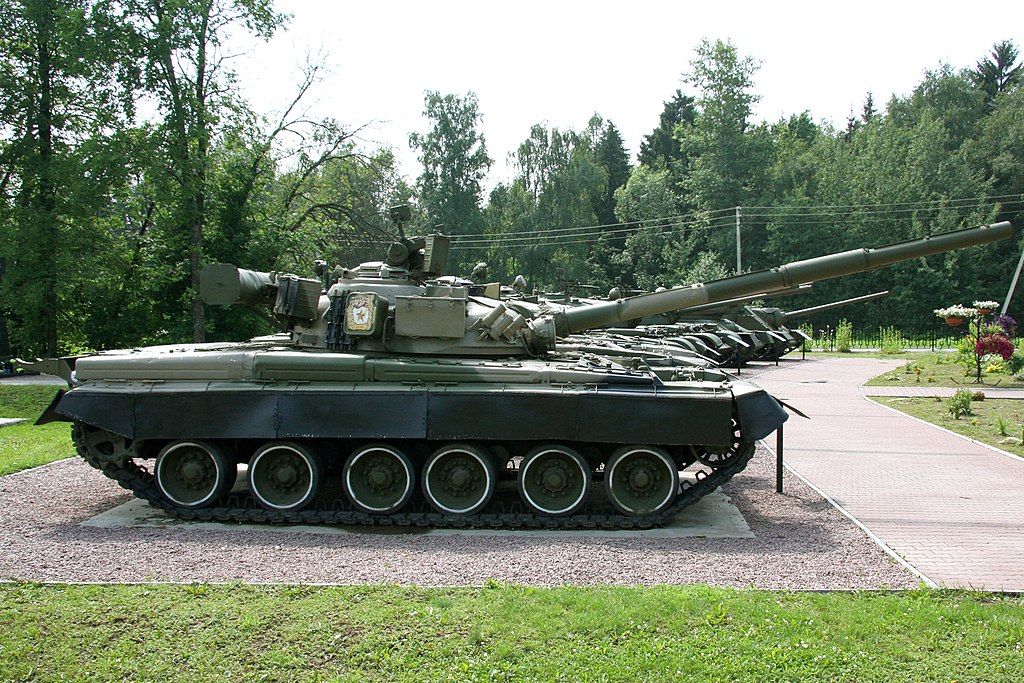 Vitaly V. Kuzmin, CC BY-SA 4.0 via Wikimedia Commons
Unlike many technologically advanced but complicated German tanks, the T-34 was designed with simple maintenance in mind. Crews could often repair the engine or tracks using basic tools directly on the battlefield—an invaluable trait during chaotic frontline conditions.
#5: It inspired post-war tank design
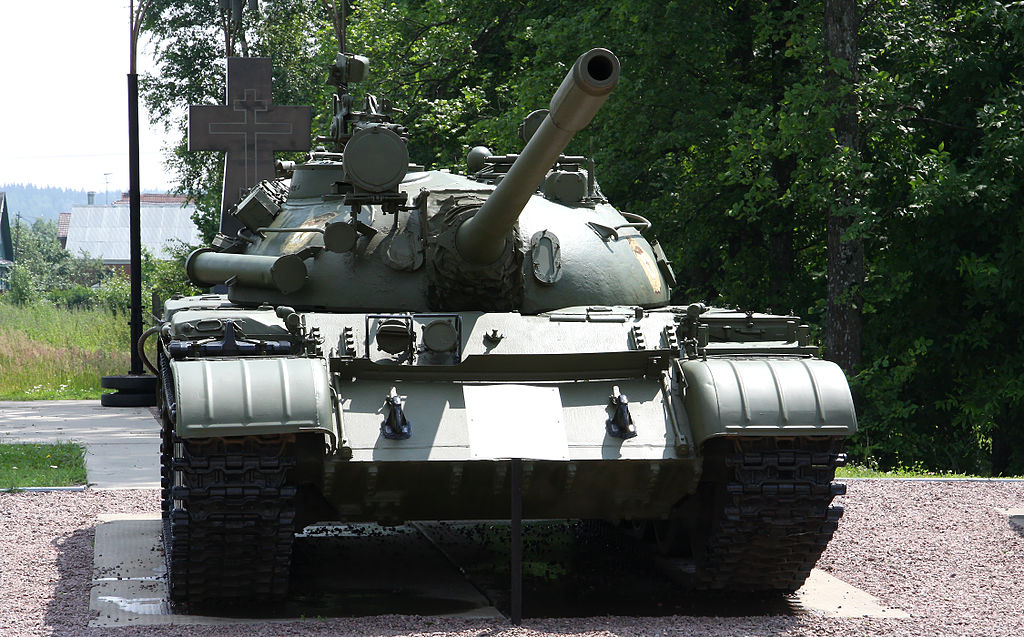 Vitaly V. Kuzmin, CC BY-SA 4.0 via Wikimedia Commons
The T-34 set a new standard for tank design that many nations learned from—both during and after the war. Western designers studied the T-34 closely post-war, acknowledging its groundbreaking combination of mobility, firepower, and armor protection as a blueprint for the future.
#6: It was used long after the war ended
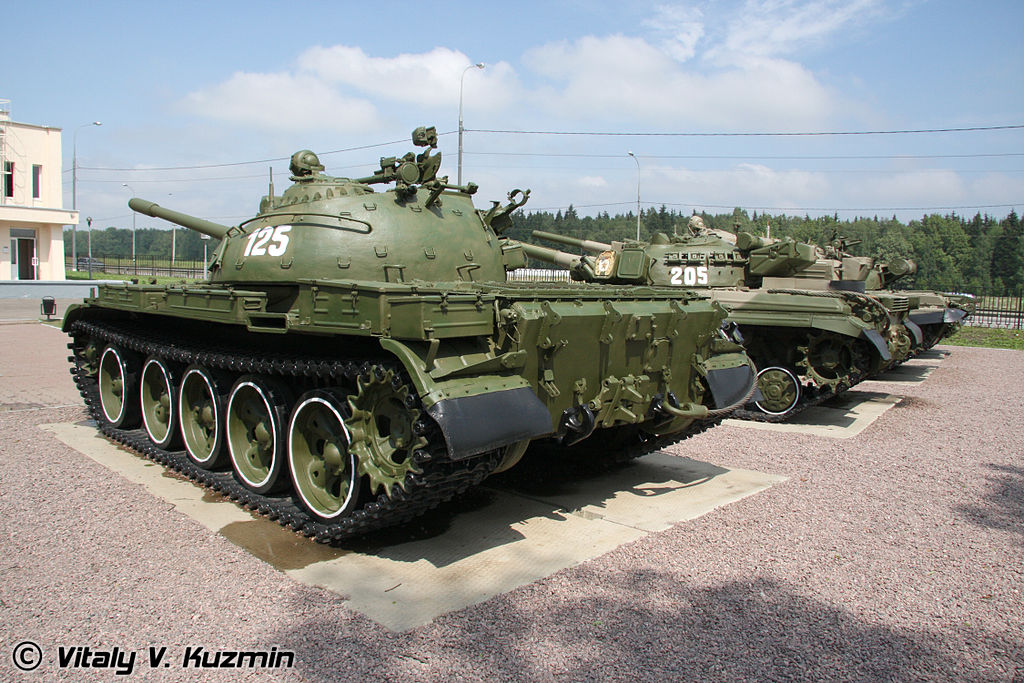 Vitaly V. Kuzmin, CC BY-SA 4.0 via Wikimedia Commons
Although introduced in 1940, the T-34 served in conflicts up until the 1990s, notably during the Balkan Wars. Many countries retained T-34s in service for decades, with some still functioning today in ceremonial roles or as spare parts.
#7: It was psychological warfare on tracks
 Zala, CC BY-SA 4.0 via Wikimedia Commons
For many German soldiers, the T-34 became a symbol of the Soviet Union’s unstoppable advance. Its sudden introduction on the Eastern Front in 1941 surprised the Wehrmacht, which had no equivalent. The combination of firepower, speed, and protection seemed almost superhuman, having a significant psychological impact.
Our team may have used AI to assist in the creation of this content, which has been reviewed by our editors.
![]()
Read also: