Vemira
9 Indian Dishes That Aren’t Really Indian
Indian food is diverse, spicy, and loved all over the world. But not everything we associate with “Indian cuisine” actually originates from India. Many popular dishes either have foreign roots or have been shaped by colonial, cultural, or commercial influences. Here are 9 of the most surprising dishes often labeled as Indian—but which, in fact, aren’t.
 Ralbahitha, CC BY-SA 4.0 via Wikimedia Commons
Indian food is diverse, spicy, and loved all over the world. But not everything we associate with “Indian cuisine” actually originates from India. Many popular dishes either have foreign roots or have been shaped by colonial, cultural, or commercial influences. Here are 9 of the most surprising dishes often labeled as Indian—but which, in fact, aren’t.
Chicken Tikka Masala
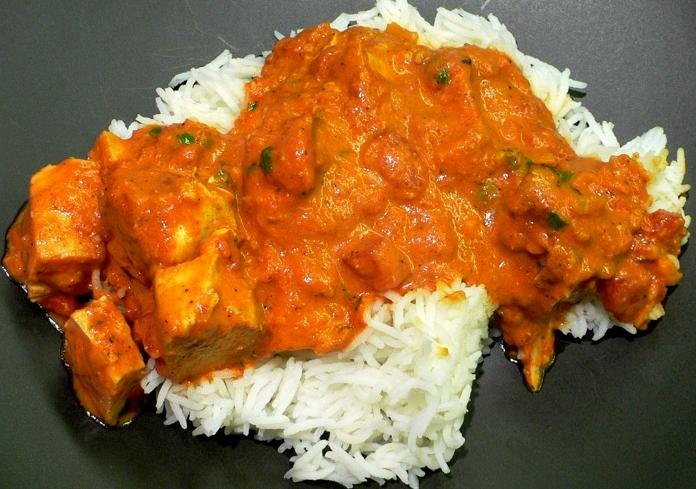 Kelly Sue, CC BY 2.0 via Wikimedia Commons
Although the dish sounds and tastes Indian, it most likely originated in the United Kingdom, where it was created by immigrants to suit British palates. The classic combination of grilled chicken in a creamy tomato sauce is more “curry house” than home-cooked Indian curry.
![]()
Read also:
Gulab Jamun
 Avinashvh1n1, CC BY-SA 4.0 via Wikimedia Commons
These syrup-soaked balls are commonly associated with Indian celebrations, but their origins trace back to ancient Persia. The dish was introduced to India by the Mughals and is based on a recipe that originally used milk solids and rose essence.
Samosa
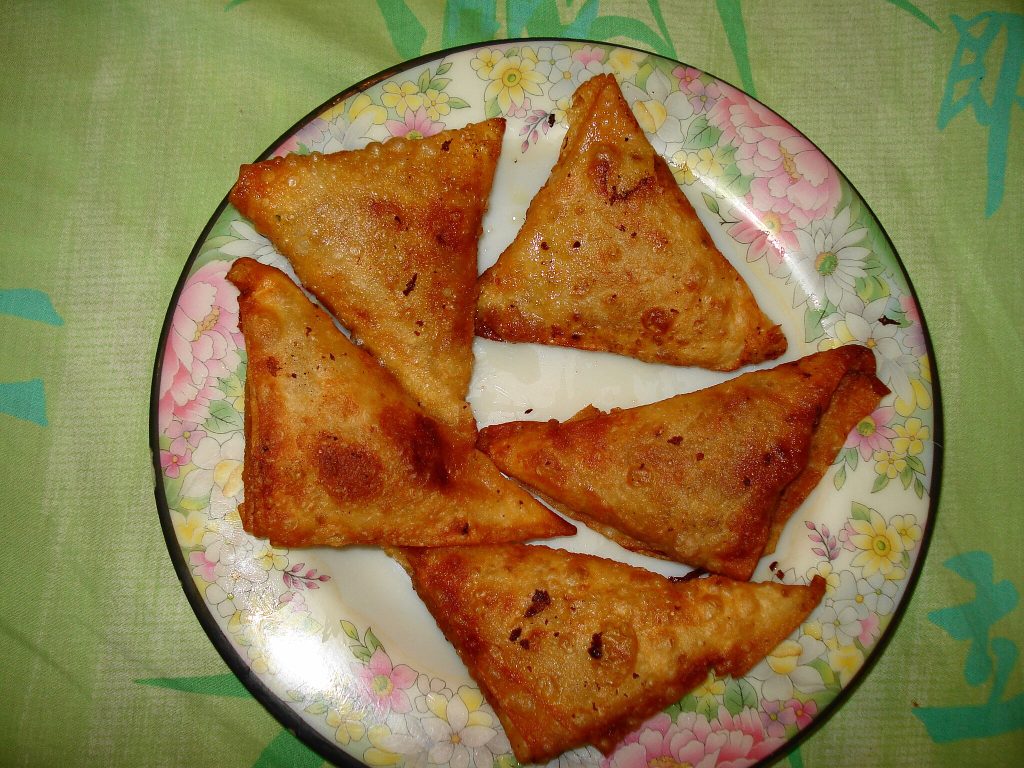 Miansari66, Public domain, via Wikimedia Commons
Now a staple Indian snack, the samosa was actually brought to India from the Middle East via Central Asia. Originally known as “sambosa,” it was a meat-filled pastry before being transformed into its modern vegetarian-friendly Indian version.
Vindaloo
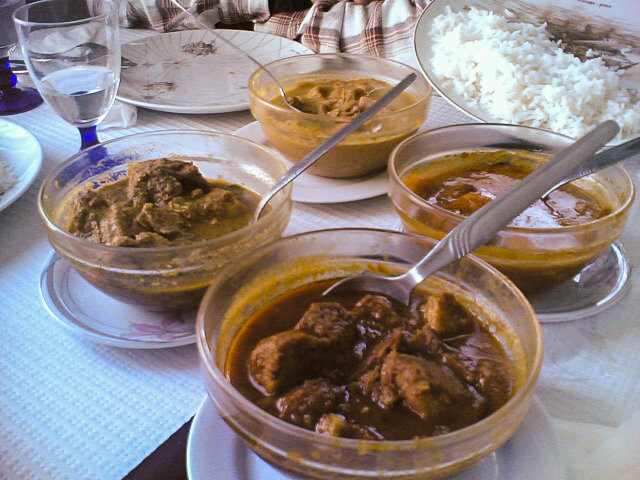 Adriao, CC BY-SA 3.0 via Wikimedia Commons
Often linked with Goan cuisine and known for its spiciness, vindaloo has Portuguese roots. It derives from the dish “carne de vinha d’alhos”—pork marinated in wine and garlic—which was adapted with local Indian spices after the Portuguese colonized Goa.
Naan
 Shisma, CC BY 4.0 via Wikimedia Commons
Widely served in Indian restaurants, naan isn’t something you’d find in everyday Indian households. The bread originates from Persian cuisine and gained popularity in India through Mughal influence. In daily life, most Indians eat chapati or roti instead.
Butter Chicken
 Mack Male from Edmonton, AB, Canada, CC BY-SA 2.0 via Wikimedia Commons
This beloved dish of buttery chicken in creamy tomato sauce was invented in Delhi in the 1950s—not in a traditional home, but at the restaurant Moti Mahal. It’s a modern creation without deep roots in traditional Indian home cooking.
Mulligatawny Soup
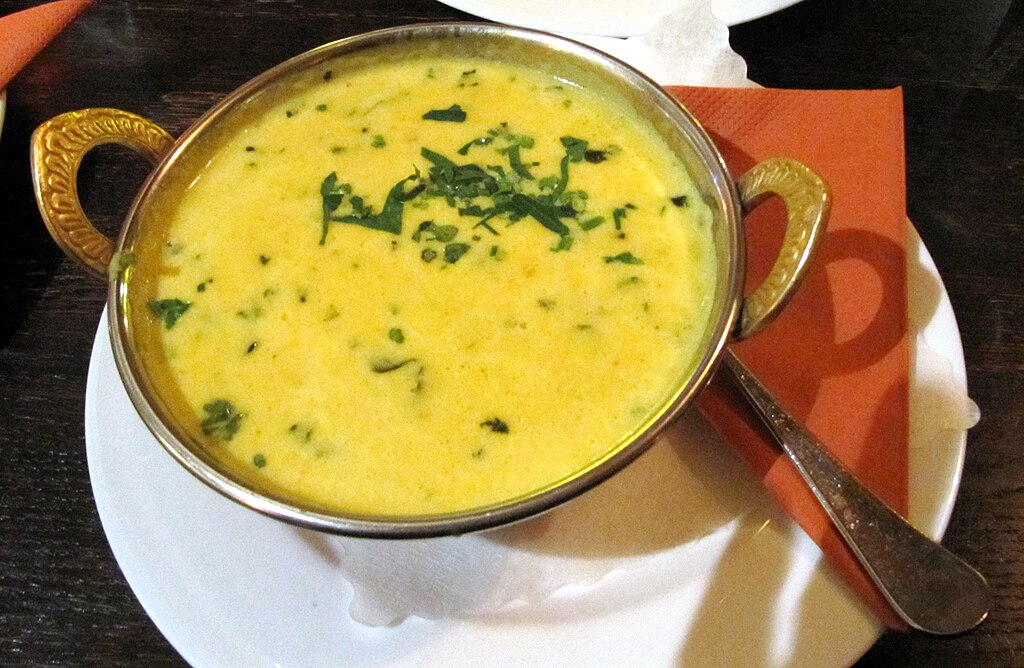 GeoTrinity, CC BY-SA 3.0 via Wikimedia Commons
Even the name sounds Indian—“milagu tanni” means “pepper water” in Tamil—but the version we know today is a British invention. During the colonial era, the British wanted a more Western-style soup and asked their cooks to adapt the Indian recipe accordingly.
Chai Latte
 Andy Li, CC0, via Wikimedia Commons
Chai in India is simple and strong—made with black tea, milk, sugar, and spices. The popular “chai latte” served in Western cafés is a sweet, frothy variation that bears little resemblance to its robust Indian ancestor.
Tandoori Chicken
 Breville USA, CC BY 2.0 via Wikimedia Commons
While the tandoori technique has historical roots in northern India, the modern version of tandoori chicken only gained popularity in the 20th century through restaurants in Delhi. It was widely promoted and refined by British and American restaurants, helping spread it globally.
Our team may have used AI to assist in the creation of this content, which has been reviewed by our editors.
![]()
Read also: