 Calreyn88, CC BY-SA 4.0 via Wikimedia Commons
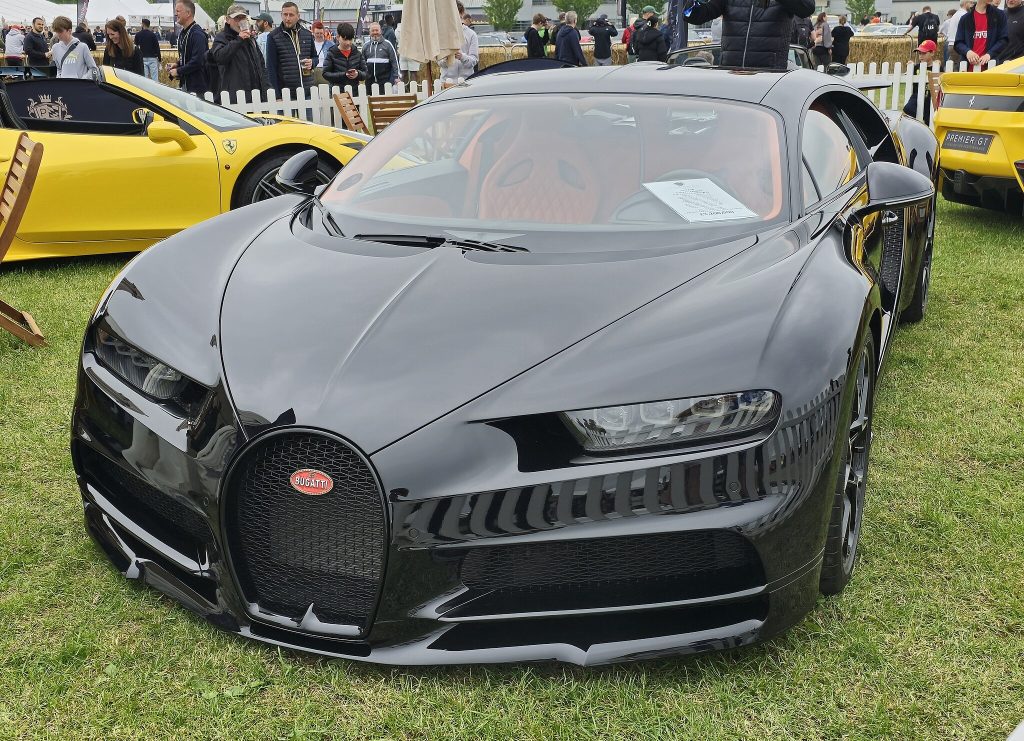
The Bugatti Chiron is synonymous with extreme luxury, unparalleled speed, and engineering of the highest order. Despite often being mentioned in the same breath as “record-breaking,” “W16,” and “exclusivity,” the Chiron holds a host of secrets that even car enthusiasts might not know. Here are 10 surprising facts that shed new light on one of the world’s most iconic supercars.
#1: The Engine Has 10 Radiator Systems
 MrWalkr, CC BY-SA 4.0 via Wikimedia Commons
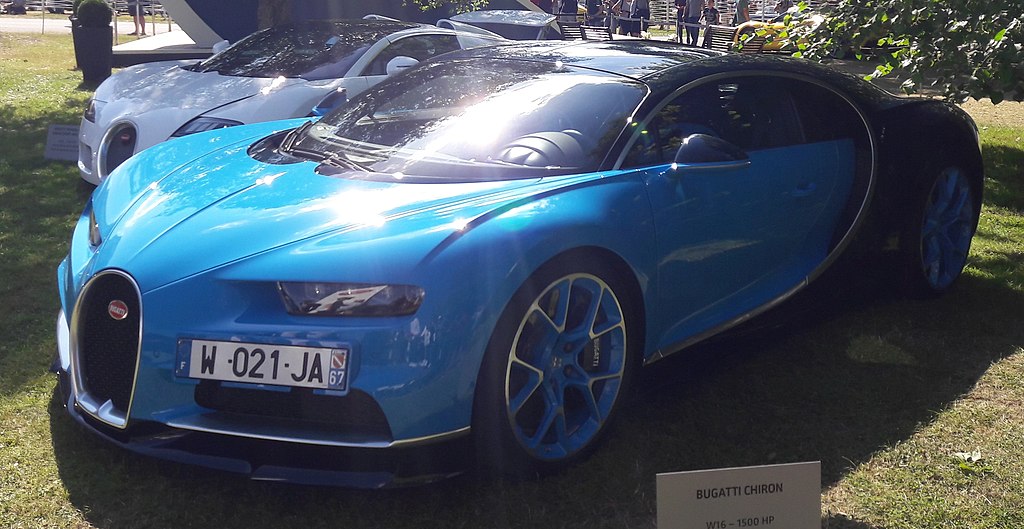
The 8.0-liter W16 engine with four turbochargers gets extremely hot, requiring the Chiron to have ten separate cooling systems. They ensure everything from the engine to the transmission and differentials are kept cool, which is necessary given the car’s 1500 horsepower output. It’s a technical masterpiece to get it all to work together, especially at top speeds.
![]()
Read also:
#2: It Takes Over Six Months to Build One Chiron
 MrWalkr, CC BY-SA 4.0 via Wikimedia Commons
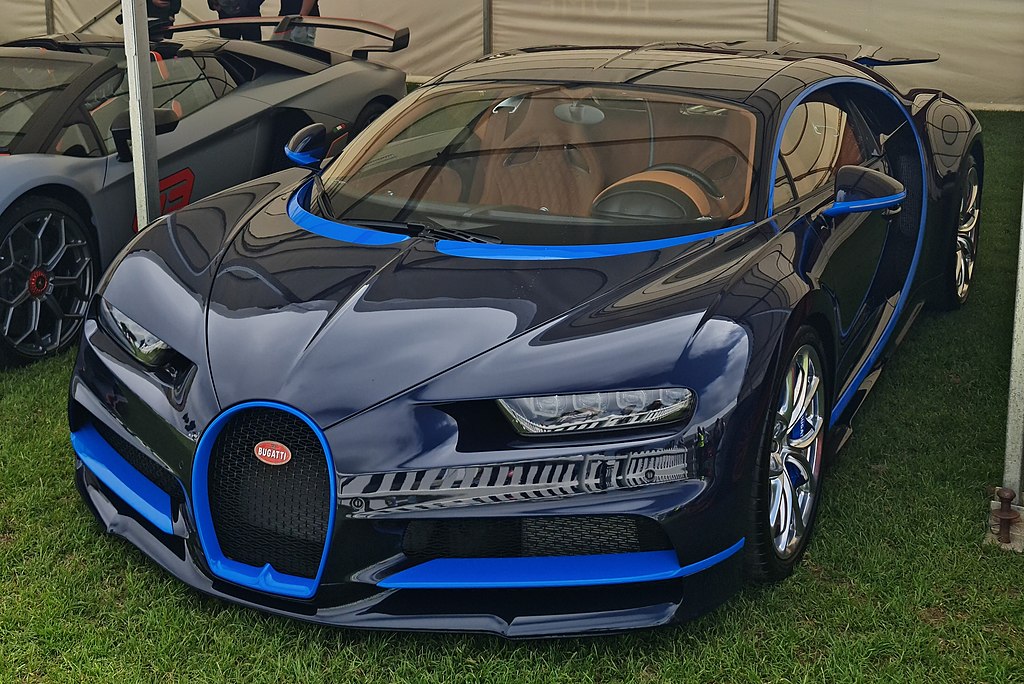
A Bugatti Chiron isn’t just assembled—it’s handcrafted. The entire process takes around six months, with each car assembled by a special team in Molsheim, France. There are no assembly lines, and every panel undergoes meticulous quality checks before being fitted.
#3: The Braking System Uses Titanium
 Matti Blume, CC BY-SA 4.0 via Wikimedia Commons
The Chiron’s braking system is exceptional. The brake discs are made from carbon fiber ceramics, and more impressively, the brake calipers are made from titanium. This makes them lighter and extremely heat resistant. The choice of materials is inspired by the aerospace industry and plays a critical role in the car’s extreme performance.
#4: Design Inspired by Bugatti Type 57SC Atlantic
 MrWalkr, CC BY-SA 4.0 via Wikimedia Commons
The distinctive C-shaped line running from the door along the side is more than just aesthetics. It draws a visual line back to the legendary Bugatti Type 57SC Atlantic from the 1930s. This is a deliberate effort to connect the elegance of the past with the brute force of the present—a nod to the brand’s heritage.
#5: Chiron Has a Top Speed Key
 MrWalkr, CC BY-SA 4.0 via Wikimedia Commons
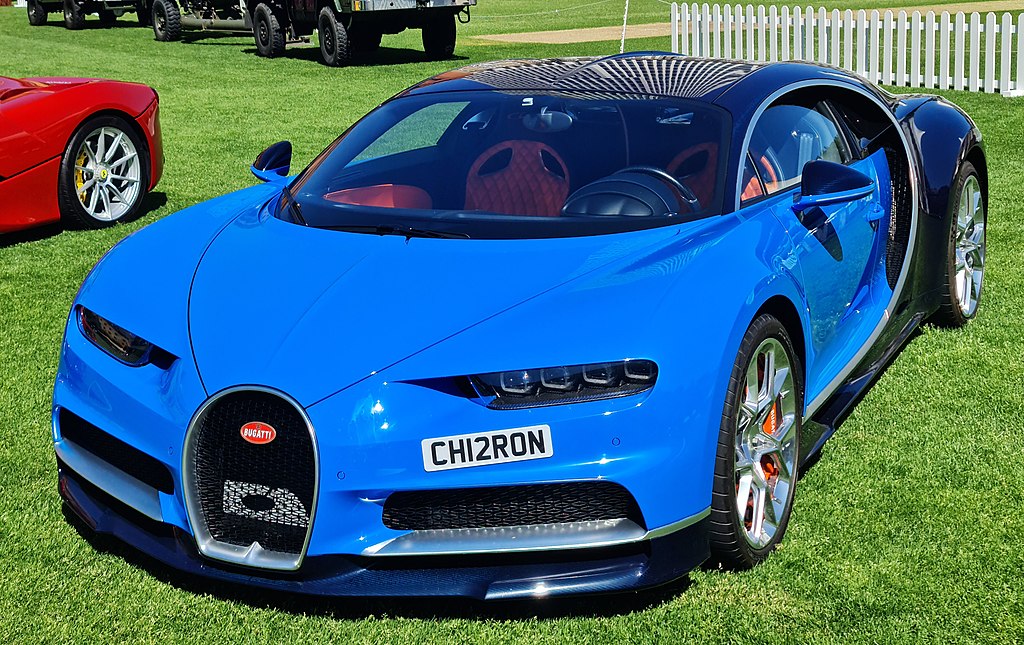
Want to unlock the Chiron’s full potential and hit the magical 420 km/h? You’ll need a special “Speed Key.” This extra key sets the car’s systems into a low-friction setup, changing the suspension, rear wing, and more. Without the key, the top speed is limited to a “modest” 380 km/h.
#6: The Interior is Designed Without Plastic
 MrWalkr, CC BY-SA 4.0 via Wikimedia Commons
Unlike many luxury cars where plastic can still be found, the Chiron’s cabin is completely devoid of it. Everything you touch is either aluminum, leather, carbon fiber, or real metal. Every detail is crafted with the care of a Swiss watch—not because it’s needed, but because it’s Bugatti.
#7: The First Chiron Sold for Over 20 Million DKK
 MrWalkr, CC BY-SA 4.0 via Wikimedia Commons
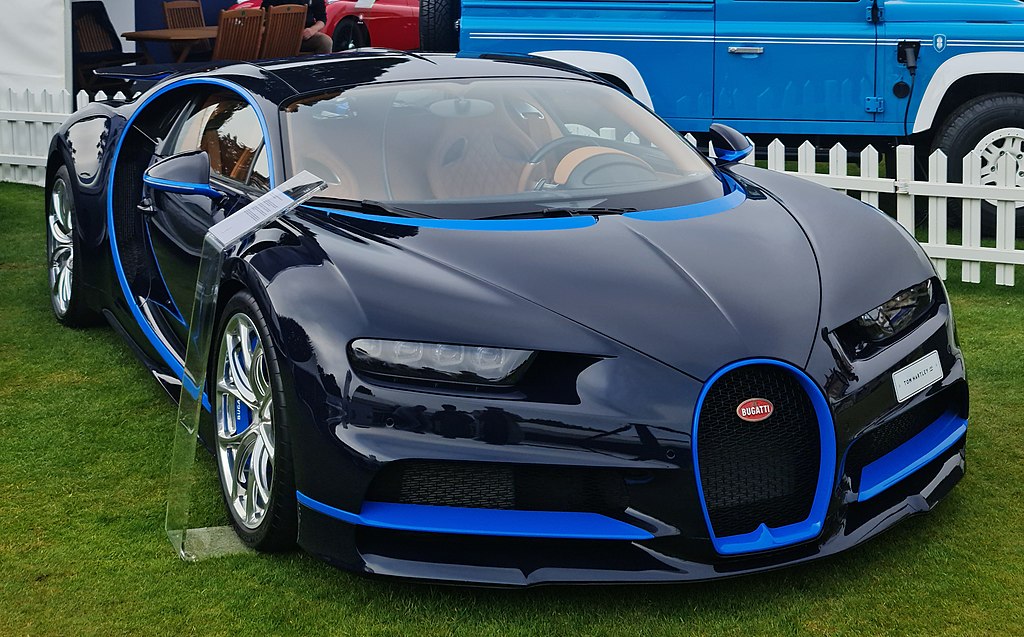
When the first Chiron rolled off the production line in 2016, it sold for over 2.4 million euros—equivalent to more than 20 million Danish kroner. And the price has only risen since. Special versions like “La Voiture Noire” have been sold for up to 90 million kroner, cementing the Chiron’s status as one of the world’s most expensive cars.
#8: Bugatti X-Rays Each Tire
 Mathious Ier, CC0, via Wikimedia Commons
To ensure absolute perfection, every tire fitted to a Chiron is X-rayed. This method, employed by Bugatti, seeks out even the smallest faults in the rubber compound or structure—a crucial aspect when tires have to withstand speeds of over 400 km/h. Precision is not a luxury here; it’s a necessity.
#9: Chiron Has a Special Drift Mode—For Test Environments Only
 MrWalkr, CC BY-SA 4.0 via Wikimedia Commons
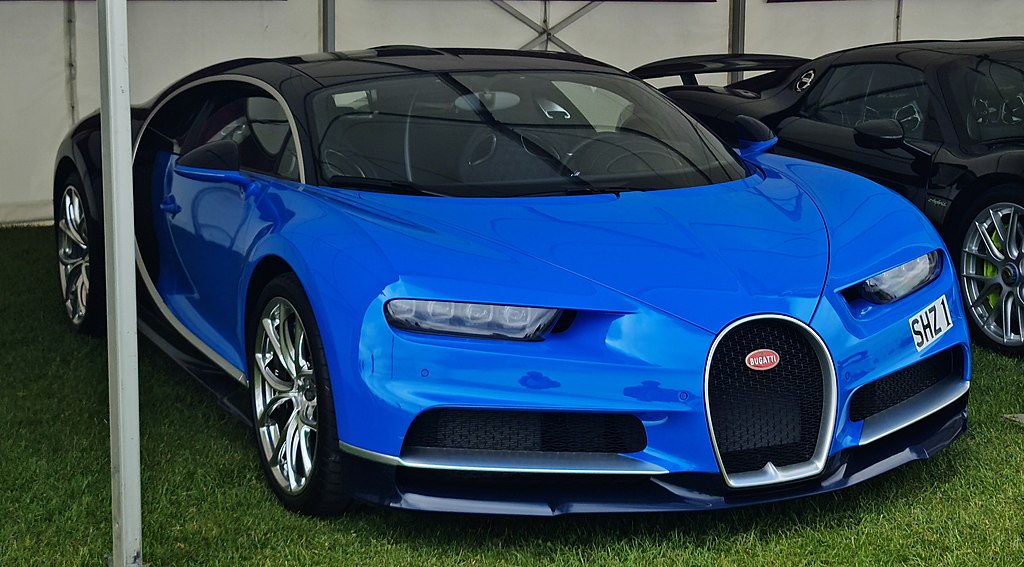
While few would associate Bugatti with powerslides, the engineers have developed a drift mode, primarily for closed test environments. It is used mainly in development and testing, not accessible to customers. Yet it shows that the Chiron’s balance and power distribution are finely tuned to perfection.
#10: The W16 Engine is Being Phased Out—Chiron is the Last of its Kind
 MrWalkr, CC BY-SA 4.0 via Wikimedia Commons
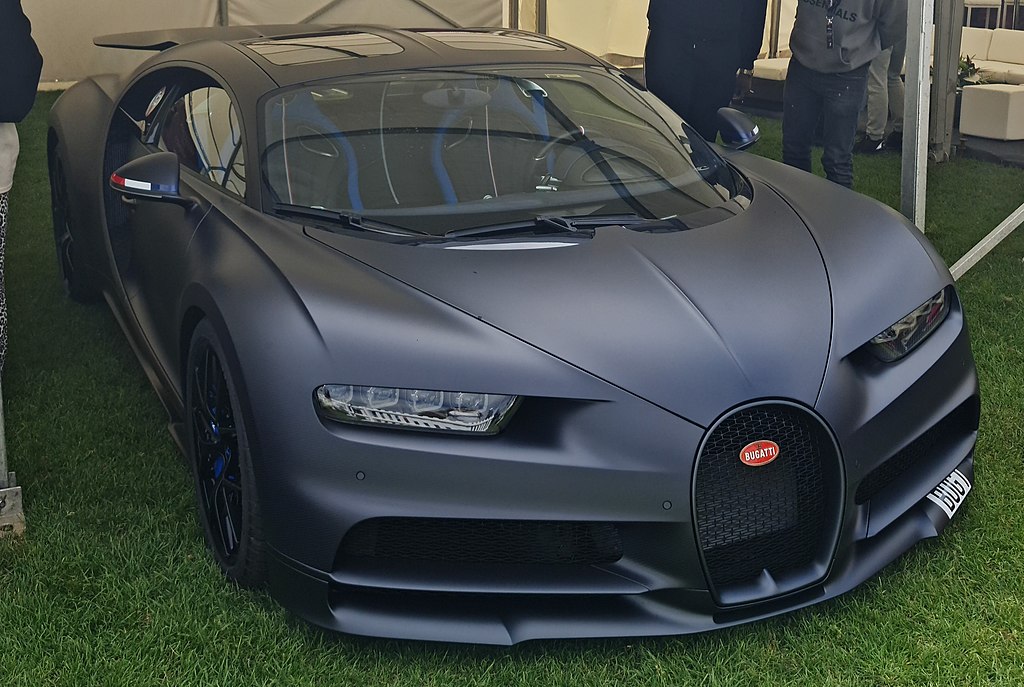
Bugatti has confirmed that the W16 engine is being retired, and the Chiron will be the last model to feature this formidable power source. Future models will combine V8 with hybrid technology, making the Chiron not just a car, but a technological milestone—the culmination of an era when the internal combustion engine was pushed to its limits.
Our team may have used AI to assist in the creation of this content, which has been reviewed by our editors.
![]()
Read also: