Gallery
10 Historical Myths You Still Believe — But That Aren’t True
Selvom historie handler om fakta og dokumentation, lever mange historiske myter stadig i bedste velgående. Nogle skyldes misforståelser, andre er skabt af populærkultur og nationalromantik. Her er 10 af de mest udbredte misforståelser – fra de små og uskyldige til de mest overraskende afsløringer.
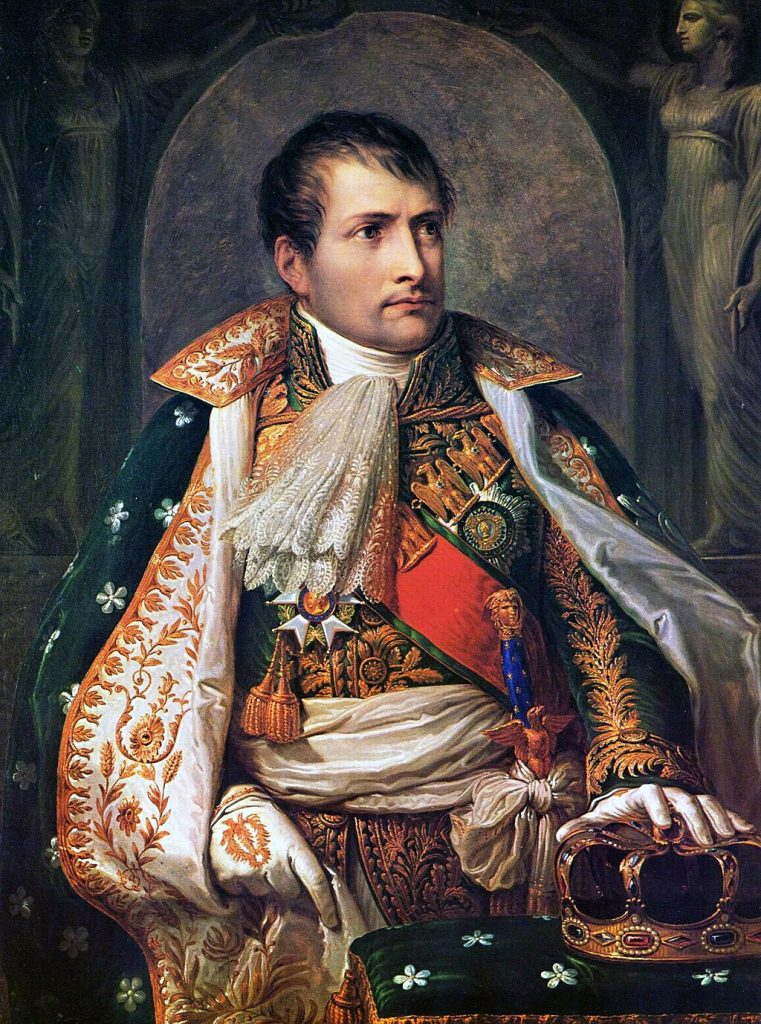 Andrea Appiani, Public domain, via Wikimedia Commons
Even though history is grounded in facts and evidence, plenty of persistent myths continue to circulate. Some come from misinterpretations, others from pop culture or national romanticism. Here are 10 of the most widespread historical misconceptions — ranging from mildly confusing to truly surprising.
Napoleon Was Very Short
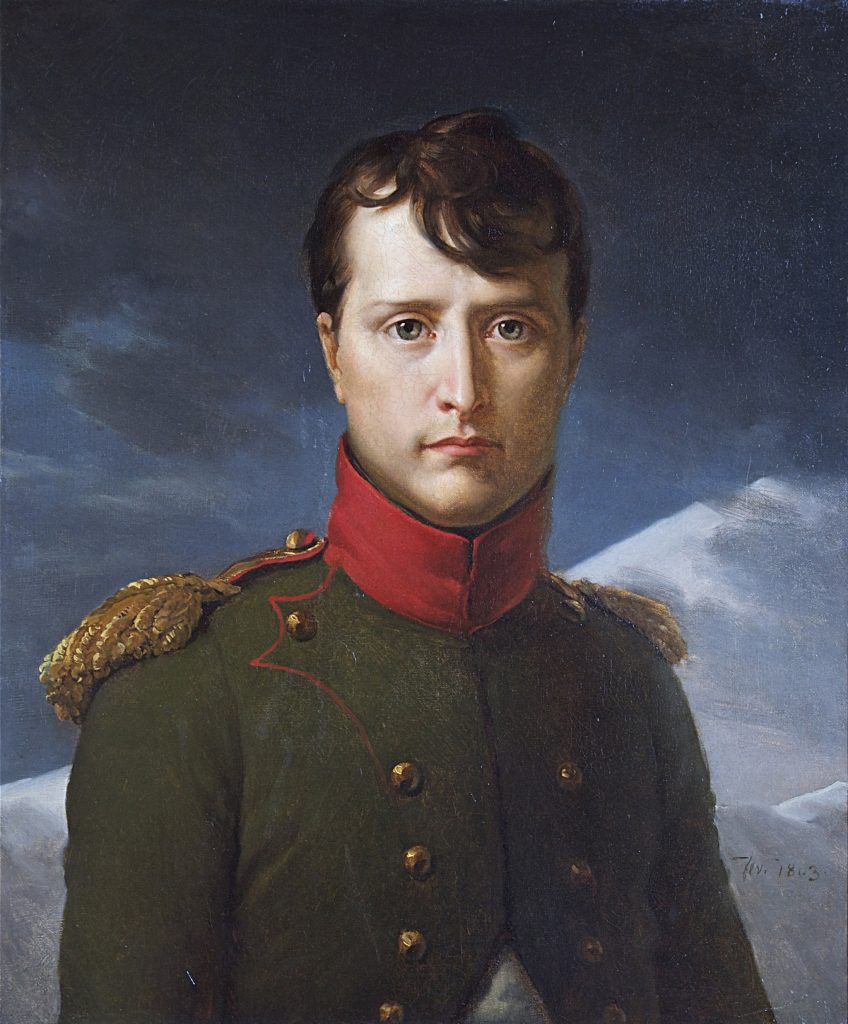 François Gérard, Public domain, via Wikimedia Commons
Napoleon Bonaparte is often portrayed as extremely short — but in reality, he stood around 5’6″ (1.69 meters), which was average height for French men at the time. The myth likely arose from confusion between French and British units of measurement, and from British propaganda aiming to paint him as a “small man with a big ego.”
![]()
Read also:
Vikings Wore Horned Helmets
 Stipa Jennifer, CC BY-SA 4.0 via Wikimedia Commons
The image of Vikings wearing horned helmets is iconic — and completely false. No archaeological discoveries show evidence that Vikings wore horned helmets in battle. The myth emerged in the 19th century, especially through opera and dramatic artwork, where horns were added for theatrical flair.
People in the Middle Ages Thought the Earth Was Flat
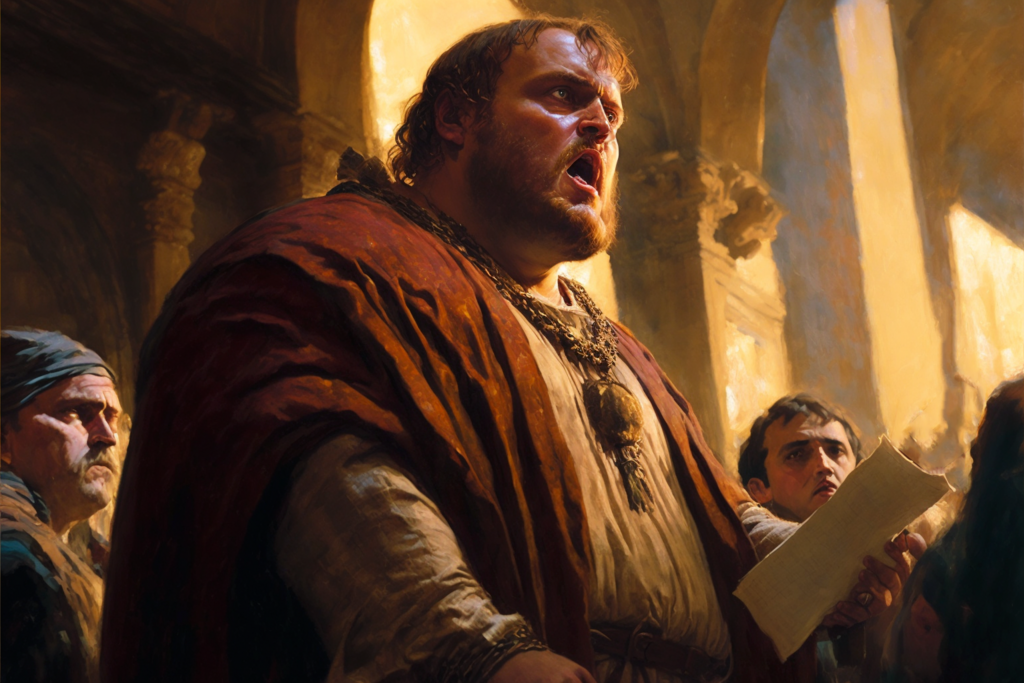 Rexfranciae, CC BY-SA 4.0 via Wikimedia Commons
It’s a common belief that people in the Middle Ages thought the Earth was flat — but that’s not true. Scholars as far back as Aristotle and Eratosthenes in ancient times knew the Earth was round, and this knowledge was preserved in medieval scientific and religious texts.
Marie Antoinette Said “Let Them Eat Cake”
 Élisabeth Louise Vigée Le Brun, Public domain, via Wikimedia Commons
There’s no solid evidence that Marie Antoinette ever said the infamous phrase “Let them eat cake” in response to starving peasants. The quote was attributed to her long after her death and most likely came from an earlier anecdote meant to ridicule the ignorance of the aristocracy.
Columbus Was the First European in America
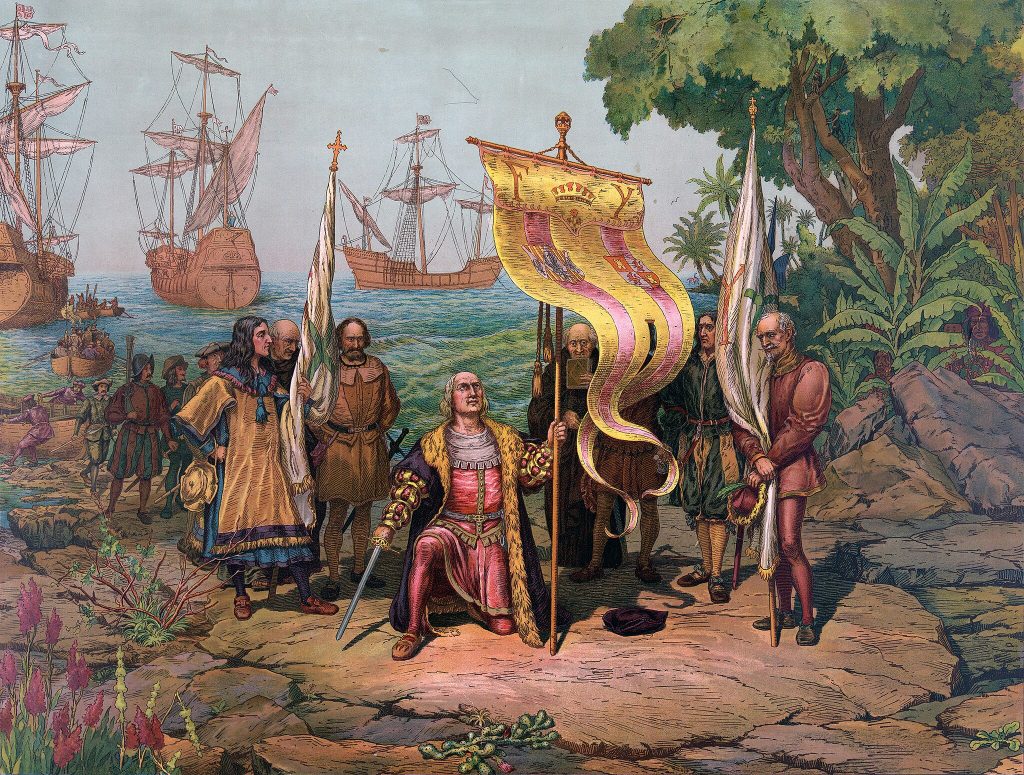 L. Prang & Co., Boston, Public domain, via Wikimedia Commons
Christopher Columbus wasn’t the first European to reach the Americas. Around 500 years earlier, Norse explorer Leif Erikson sailed to what is now Newfoundland, Canada, and established a short-lived settlement.
Slavery Was Invented in the United States
 Adrian Turner, CC BY-SA 2.0 via Wikimedia Commons
While the United States has a horrifying and well-documented history with slavery, the institution existed thousands of years before America was founded. Ancient Greece, Egypt, Rome, and African societies all practiced slavery. What set American slavery apart was its uniquely racialized and brutal nature.
Einstein Was Bad at Math
 Photograph by Orren Jack Turner, Princeton, N.J. Modified with Photoshop by PM_Poon and later by Dantadd., Public domain, via Wikimedia Commons
A persistent myth claims that Albert Einstein struggled with math as a child. In fact, by the age of 15, he was already mastering calculus. The myth may have been invented to make him seem more relatable, but it simply isn’t true.
Nero Played the Violin While Rome Burned
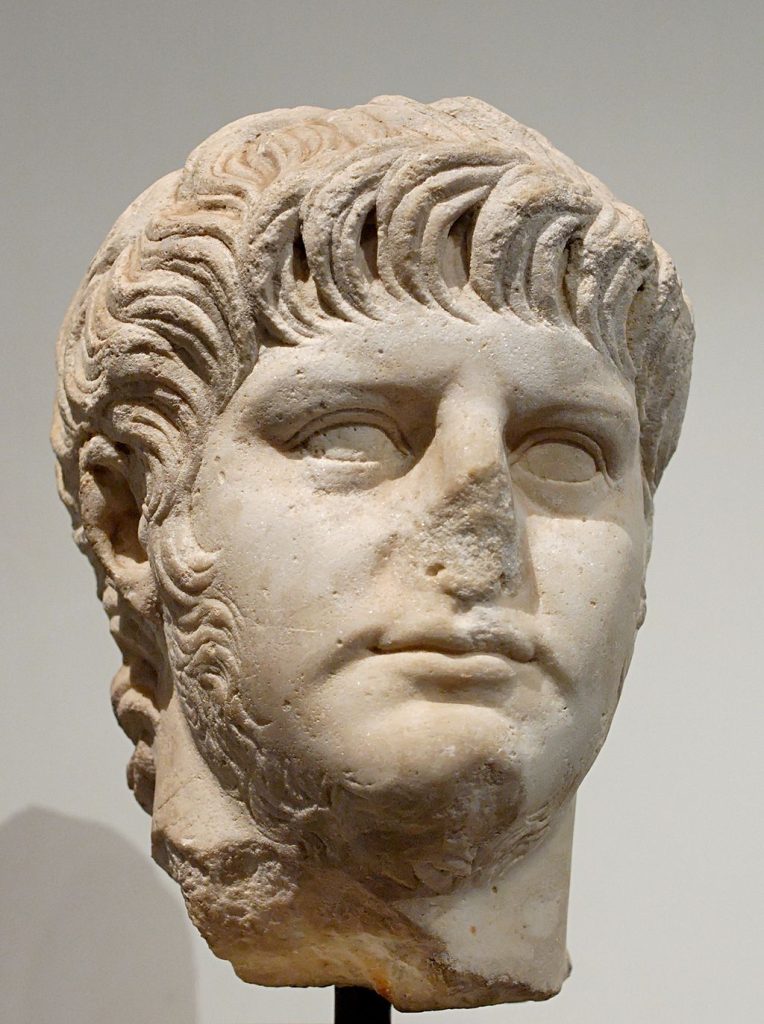 Jastrow, Public domain, via Wikimedia Commons
The story of Emperor Nero playing the violin while Rome burned is dramatic — but false. For one thing, the violin hadn’t even been invented yet. Plus, Nero likely wasn’t in the city when the fire broke out. Some historical accounts suggest he actually helped with the relief efforts afterward, though his intentions remain a topic of debate.
Gladiator Fights Were Rome’s Main Form of Entertainment
 Johannes Overbeck and August Mau (1884), Public domain, via Wikimedia Commons
Gladiator fights were popular in ancient Rome, but they weren’t the main source of entertainment. Romans also enjoyed theater, chariot races, and athletic competitions. Gladiator games were expensive to host and typically held on special occasions.
People in Ancient Times Only Lived to Age 30
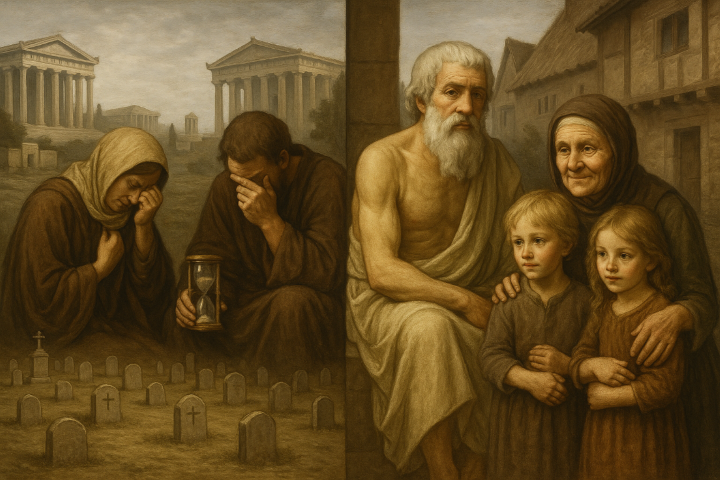 3D Visualisering
One of the most widespread myths is that people in ancient times only lived to be about 30. In reality, that figure reflects a low average due to high infant mortality rates. Those who survived childhood often lived into their 60s or even longer. Plenty of elderly individuals are documented in both ancient and medieval records.
Our team may have used AI to assist in the creation of this content, which has been reviewed by our editors.
![]()
Read also: